
Recherche
43 résultats pour "malek-bennabi-a-journey-through-time-back-to-the-future-1518446fr"

How ETTC Helps New Teachers Build Real Classroom Confidence?
Many new English teachers feel nervous before entering their first classroom. Some worry about making mistakes, while others feel unsure about speaking in front of students. The good news is that confidence is not something teachers are born with. It is a skill that develops through training, practice, and real teaching experience. 1. Practice Through Microteaching • Teach short lessons in training sessions • Practice speaking in front of others • Receive supportive feedback from trainers Microteaching helps future teachers feel more comfortable before teaching real classes. 2. Learn Through Real Classroom Activities • Use interactive teaching methods • Practice lesson planning • Manage classroom situations step by step Practical activities help trainees understand how real classrooms work instead of only studying theory. 3. Build Communication Skills • Improve speaking confidence • Learn how to explain ideas clearly • Practice giving instructions naturally Strong communication helps teachers feel more relaxed and professional during lessons. 4. Develop Classroom Management Skills • Learn how to keep students engaged • Organize classroom time effectively • Handle classroom challenges calmly Many beginners lose confidence because they do not know how to manage student interaction properly. 5. Receive Professional Guidance • Learn from experienced trainers • Ask questions during practice • Improve through constructive feedback Guidance from trainers helps future teachers avoid common mistakes and improve faster. 6. Join a Supportive Learning Community • Learn with other future teachers • Share experiences and challenges • Build motivation through teamwork A positive learning environment helps trainees grow with confidence and support. 7. Practice Before Teaching Professionally • Build confidence gradually • Improve through repetition • Develop teaching habits naturally Confidence grows when teachers practice consistently in safe learning environments. Teaching confidence does not appear overnight. It develops step by step through preparation, experience, and continuous improvement. At ETTC, future educators learn through practical teacher training programs designed to prepare them for real classroom situations with confidence and professionalism. Ready to build your classroom confidence? Join Your DPT and start your professional teaching journey today.

Patient Journey Partner
Local customer facing role unlocking value along patient journeys Health care is changing: Radical innovation, increased openness to change, increasing patient empowerment, multiple sources of medical information, and pressure on public spending. As a result of all this, the needs of our stakeholders continue to evolve. The Patient Journey Partner (PJP) is at the center of the new Roche organization, turning upside down the role we play in society - from mostly offering world-class medicines towards much more partnering, innovating and leading generative disruption. By doing so the PJP will be directly accountable to deliver better outcomes for patients, their community, the ecosystem and the organization, faster. The PJP is an empowered leader and the local face of Roche. She or he partners closely with all stakeholders directly touching the patient journey (in a given therapeutic or disease area), gaining a deep understanding of their needs in order to connect Roche’s capabilities to co-create meaningful solutions. This role is locally embedded in the ecosystem, it is an integrated role, functionally agnostic, (i.e. it does not fit into the traditional concepts of Commercial/Sales or Medical Affairs) It has no profitability, sales objectives or incentives Responsibilities: The PJP is a senior level role within the affiliate, who has decision making authority to request resources of Roche (both within the affiliate and broader network) in order to have improved impact on the patient journey The PJP focuses on the importance of bringing the outside in, working with partners to uncover all potential opportunities to transform outcomes for patients, faster. They also bring the inside out, to bring Roche expertise, science and knowledge to the ecosystem. Acts as trusted partner and is the primary (but non-exclusive) point of contact between stakeholders and Roche; the PJP shares the patient and stakeholder community needs internally, prioritizes and secures resources, and drives solutions that deliver outcomes faster. Partners with patient journey stakeholders to remove roadblocks and unlock possibilities to deliver value for patients and the community. Stewards Roche’s products through their lifecycle and supports their appropriate use, which includes sharing their merits with HCPs in a truthful and balanced manner. By overseeing the patient journey in its entirety, the PJP acts as a system thinker with the ability to identify shared purpose among stakeholders and leverages this to co-create solutions with stakeholders in the ecosystem. The role is empowered to pull in expertise and resources locally and from the network as needed, including in collaboration with other PJPs. Ensuring great experiences whenever stakeholders in the ecosystem engage with Roche employees, products and services. Mindset & Behaviors/ VACC: The PJP demonstrates personal purpose around improving the patient journey, as well as strong passion to create value and impact on the ecosystem. They think from an Enterprise level, beyond boundaries and borders, in order to bring best possible outcomes to both the local health environment, and more broadly, across Roche globally. Visionary: defining and embedding the strategy around creating improved patient journeys Mindset: Strong entrepreneurial mindset with outstanding partnering capabilities (coaching, consulting, ability to deeply listen, question and understand) Growth mindset, able to learn and unlearn quickly, take risks and experiment, and contribute to the learning cycle by sharing knowledge with others inside and outside Roche Self managed and self directed - altruistic in supporting the global network Display of integrity in everything (i.e. open, honest, ethical and genuine) Enabler mindset leveraging the internal and external networks to create value, sharing back and scaling. Boldly acts on key decisions and opportunities and boldly stops any activity that is not adding value. Ability to say “No” to stakeholders when the value is not predictable/foreseen. Skills and Experience: Knowledge and Qualifications: System thinker and deep listener Excellent stakeholder engagement skills including partnering with TAE's and organizations is required. Experience partnering with PAGs is highly desired. Experience leading Cross-functional team is required. Experience in both formulating cross-functional strategies and orchestrating cross-functional teams is highly desired. Strong business acumen with desired expertise in commercialization, medical and customer experience excellence Able to understand and leverage digital means and tools is desired Deep experience in agile ways of working is desired Knowledge: Deep understanding of patient journey(s) and related treatments in defined disease area(s), enabling engagement at the specialist level. Broad understanding of Roche’s present portfolio and future pipeline, such that they can work on future-based solutions Robust understanding of medical affairs strategies and tactics including clinical research Other relevant capabilitie s: Fluent in local language. Proficient in English to collaborate internally Across the broader Roche enterprise is highly desired Preferred Qualifications: Scientific University degree (Medical Doctor, Biologist, Pharmacist or Veterinary). Practical understanding of digital innovation methodologies

MALEK BENNABI A Journey Through Time — Back to the Future
PART I — THE MAN, THE WORK, THE WEAPONS OF UNDERSTANDING A Journey Through Time — Back to the Future The Thought of an Algerian Genius Confronting the Barbarity of the Contemporary World Malek Bennabi (1905–1973) is the most systematically ignored major thinker of the twentieth century. An Algerian engineer, polyglot and civilisational analyst, he […] The post MALEK BENNABI A Journey Through Time — Back to the Future appeared first on الشروق أونلاين .
Patient Journey Partner
Local customer facing role unlocking value along patient journeys Health care is changing: Radical innovation, increased openness to change, increasing patient empowerment, multiple sources of medical information, and pressure on public spending. As a result of all this, the needs of our stakeholders continue to evolve. The Patient Journey Partner (PJP) is at the center of the new Roche organization, turning upside down the role we play in society - from mostly offering world-class medicines towards much more partnering, innovating and leading generative disruption. By doing so the PJP will be directly accountable to deliver better outcomes for patients, their community, the ecosystem and the organization, faster. The PJP is an empowered leader and the local face of Roche. She or he partners closely with all stakeholders directly touching the patient journey (in a given therapeutic or disease area), gaining a deep understanding of their needs in order to connect Roche’s capabilities to co-create meaningful solutions. This role is locally embedded in the ecosystem, it is an integrated role, functionally agnostic, (i.e. it does not fit into the traditional concepts of Commercial/Sales or Medical Affairs) It has no profitability, sales objectives or incentives Responsibilities: The PJP is a senior level role within the affiliate, who has decision making authority to request resources of Roche (both within the affiliate and broader network) in order to have improved impact on the patient journey The PJP focuses on the importance of bringing the outside in, working with partners to uncover all potential opportunities to transform outcomes for patients, faster. They also bring the inside out, to bring Roche expertise, science and knowledge to the ecosystem. Acts as trusted partner and is the primary (but non-exclusive) point of contact between stakeholders and Roche; the PJP shares the patient and stakeholder community needs internally, prioritizes and secures resources, and drives solutions that deliver outcomes faster. Partners with patient journey stakeholders to remove roadblocks and unlock possibilities to deliver value for patients and the community. Stewards Roche’s products through their lifecycle and supports their appropriate use, which includes sharing their merits with HCPs in a truthful and balanced manner. By overseeing the patient journey in its entirety, the PJP acts as a system thinker with the ability to identify shared purpose among stakeholders and leverages this to co-create solutions with stakeholders in the ecosystem. The role is empowered to pull in expertise and resources locally and from the network as needed, including in collaboration with other PJPs. Ensuring great experiences whenever stakeholders in the ecosystem engage with Roche employees, products and services. Mindset & Behaviors/ VACC: The PJP demonstrates personal purpose around improving the patient journey, as well as strong passion to create value and impact on the ecosystem. They think from an Enterprise level, beyond boundaries and borders, in order to bring best possible outcomes to both the local health environment, and more broadly, across Roche globally. Visionary: defining and embedding the strategy around creating improved patient journeys Mindset: Strong entrepreneurial mindset with outstanding partnering capabilities (coaching, consulting, ability to deeply listen, question and understand) Growth mindset, able to learn and unlearn quickly, take risks and experiment, and contribute to the learning cycle by sharing knowledge with others inside and outside Roche Self managed and self directed - altruistic in supporting the global network Display of integrity in everything (i.e. open, honest, ethical and genuine) Enabler mindset leveraging the internal and external networks to create value, sharing back and scaling. Boldly acts on key decisions and opportunities and boldly stops any activity that is not adding value. Ability to say “No” to stakeholders when the value is not predictable/foreseen. Skills and Experience: Knowledge and Qualifications: System thinker and deep listener Excellent stakeholder engagement skills including partnering with TAE's and organizations is required. Experience partnering with PAGs is highly desired. Experience leading Cross-functional team is required. Experience in both formulating cross-functional strategies and orchestrating cross-functional teams is highly desired. Strong business acumen with desired expertise in commercialization, medical and customer experience excellence Able to understand and leverage digital means and tools is desired Deep experience in agile ways of working is desired Knowledge: Deep understanding of patient journey(s) and related treatments in defined disease area(s), enabling engagement at the specialist level. Broad understanding of Roche’s present portfolio and future pipeline, such that they can work on future-based solutions Robust understanding of medical affairs strategies and tactics including clinical research Other relevant capabilitie s: Fluent in local language. Proficient in English to collaborate internally Across the broader Roche enterprise is highly desired Preferred Qualifications: Scientific University degree (Medical Doctor, Biologist, Pharmacist or Veterinary). Practical understanding of digital innovation methodologies

Programme Intern
UNHCR, the UN Refugee Agency, is offering a full-time internship with the Programme Unit – at UNHCR Algiers, Algeria. Established in December 1950, UNHCR is a global organization dedicated to saving lives, protecting rights and building a better future for asylum seekers, refugees, returnees, internally displaced communities and stateless people. Every year, millions of men, women and children are forced to flee their homes to escape conflict and persecution. UNHCR currently operates in over 130 countries, using its long expertise to protect and care for millions. Organizational context UNHCR has been accredited to the People’s Democratic Republic of Algeria, a signatory to the 1951 Convention relating to the status of refugees , since 1984. It provides protection and assistance to persons of concern in both urban and camp settings. UNHCR’s operation in Algiers serves more than 10,000 refugees and asylum-seekers from the Middle East and Sub-Saharan Africa. At the request of the Algerian authorities, UNHCR undertakes registration and refugee status determination for asylum-seekers and helps them to secure durable solutions once recognized as refugees. Owing to natural and human-made crises regional and global in nature, over the past years there has been an increase in the number of individuals seeking asylum in Algiers. In this context, the Programme Unit plays a central role in coordinating and monitoring UNHCR’s partnership arrangements to ensure the effective delivery of protection and assistance to refugees and asylum-seekers. Working in close collaboration with national and international partners, the Programme Unit oversees project planning, implementation, and reporting, ensuring activities are aligned with UNHCR’s global Results-Based Management framework. It further contributes to strategic planning and resource allocation, supports monitoring and evaluation of interventions, and promotes accountability to affected populations. By fostering constructive dialogue and coordination with partners, the Programme Unit strengthens protection and assistance delivery, while promoting sustainability, resilience, and complementarity with national systems and other humanitarian actors. The position Under the supervision of the Associate Programme Officer and in line with UNHCR standards, policies and operating procedures, the intern will support the activities of Programme unit. Duties and responsibilities Assist in monitoring the implementation of programme activities and contribute to tracking progress against established plans and indicators. Support the review and consolidation of implementing partner reports, project proposals, and related documentation. Contribute to the maintenance and updating of programme monitoring tools, databases, and filing systems in line with UNHCR standards. Assist in the preparation of internal and external reports, briefing notes, and other documentation required for planning, monitoring and reporting purposes. Support the organization of meetings, workshops, and capacity-building activities, including drafting minutes and follow-up actions. Conduct desk research and compile information relevant to programme design, implementation, and reporting. Provide administrative and logistical assistance to the Programme Unit, ensuring effective coordination and communication. Perform other related duties as required. Minimum qualifications required In order to be considered for an internship, candidates must meet the following eligibility criteria: Be either a recent graduate (having completed their studies within two years of applying) or a current student in a graduate/undergraduate school programme from a university or higher education facility accredited by IAU/UNESCO ; and Have completed at least two years of undergraduate studies in a field relevant or of interest to the work of UNHCR. Not have exhausted the maximum cumulative internship period with UNHCR, including any prior internships (8 months for full-time and 12 months for part-time) Desirable qualifications and skills Proficiency in computer applications, including Microsoft Office (Word, Excel, PowerPoint), Outlook, SharePoint, and Teams. Excellent drafting and communication skills in both French and English (both oral and written); knowledge of Arabic would be an asset. Strong analytical, organizational, and problem-solving skills. Ability to work effectively both independently and as part of a team in a multicultural environment. High level of accuracy, attention to detail, and ability to manage multiple tasks within established deadlines. Conditions The internship is a full -time role with working hours starting from 8.30am to 16:30pm Sunday to Thursday (40 hours per week). The successful candidate will be assigned to support the team in person in Algiers, Algeria. Allowance: Interns who do not receive financial support from an outside party will receive an allowance to partially help to cover the cost of food, local transportation and living expenses. Travel: Unless provided or paid by external sponsoring entities, UNHCR reimburse interns engaged from a location outside of the country of the duty station for the ticket costs of their outward and return travel to/from the duty station by the most economical route available on economy class, irrespective of the duration of the journey. Reimbursement shall be limited to the authorized outward and return travel between the intern’s country of residence and the intern’s duty station, or actual route of travel, whichever is lower. Before travel is undertaken, the selected intern must obtain authorization in writing from the hiring office. Such authorization must include the approved cost of the ticket. Internships normally last two to six months with the possibility of extension up to eight months for full-time internships and twelve months for part-time internships. How to apply Interested applicants should submit their application through: Apply NOTE : An individual who bears the relationship of parent, child or sibling or stepparent, stepchild or stepsibling to a current UNHCR staff member or affiliate is not eligible for an internship. Obligations Acquiring and renewing current visas, residence permits including all associated costs, obtaining medical certification and compliance with taxation requirements (if applicable), are the responsibility of the intern. The selected candidate will need to provide UNHCR with a proof of health insurance coverage applicable to the assigned internship location and a certificate of good health from a qualified medical practitioner certifying their fitness for work and travel. In the event the selected candidate is not able to produce the required certificates, they will not be admitted to the Internship Programme. If you are a person with a disability and you expect you may face challenges during the recruitment process, you can indicate it in your application form. There are options to select any health conditions you may have and outline any necessary adjustments related to disabilities during the recruitment phases. Providing this information is optional. It will be treated as strictly confidential and used only for the purpose of finding out how to better assist you during the recruitment process. Adjustments for candidates with disabilities will be provided as best as possible and as needed upon request. All candidates will be assessed based on meeting the requirements for each vacancy in relation to experience, skills, and education. The UNHCR workforce consists of many diverse nationalities, cultures, languages and opinions. UNHCR seeks to sustain and strengthen this diversity to ensure equal opportunities as well as an inclusive working environment for its entire workforce. Applications are encouraged from all qualified candidates without distinction on grounds of race, colour, sex, national origin, age, religion, disability, sexual orientation, and gender identity. UNHCR does not charge a fee at any stage of its recruitment process (application, interview, meeting, travelling, processing or training. We welcome applications from candidates with a refugee or stateless background. Additional Information Candidates’ profiles will be assessed against the internship requirements. Only shortlisted applicants will be contacted for interviews.
Senior Talent Acquisition
About Yassir Yassir is the leading super App in the Maghreb region set to changing the way daily services are provided. It currently operates in 45 cities across Algeria, Morocco and Tunisia with recent expansions into France, Canada and Sub-Saharan Africa . It is backed (~ $200M in funding ) by VCs from Silicon Valley, Europe and other parts of the world. We offer on-demand services such as ride-hailing and last-mile delivery. Building on this infrastructure, we are now introducing financial services to help our users pay, save and borrow digitally. Helping usher the continent into a digital economy era. We’re not just about serving people - we’re about creating a marketplace to bring people what they need while infusing social values. About the Role As a Senior Talent Acquisition Specialist at Yassir, you will play a key role in attracting and hiring top talent to support our growth. You will work closely with hiring managers and business leaders to understand their needs, develop effective recruitment strategies, and deliver a seamless hiring experience. This role requires a proactive, hands-on recruiter with strong sourcing skills, excellent stakeholder management, and the ability to manage multiple recruitment processes in a fast-paced environment. You will also contribute to improving recruitment processes, strengthening our employer brand, and building talent pipelines for current and future hiring needs. Key Responsibilities End-to-End Recruitment: Manage the full recruitment cycle, from understanding hiring needs to sourcing, interviewing, negotiating offers, and onboarding. Talent Sourcing: Identify and engage qualified candidates through LinkedIn, job boards, referrals, databases, and proactive sourcing strategies. Stakeholder Management: Partner with hiring managers to understand role requirements, define recruitment strategies, and ensure an efficient hiring process. Candidate Experience: Ensure clear communication, timely feedback, and a smooth recruitment journey for every candidate. Technical Recruitment: Lead recruitment for technical roles, including Engineering, Product, Data, and other specialized positions. Talent Pipeline Development: Build and maintain strong talent pipelines for current and future hiring needs. Recruitment Performance: Track key recruitment metrics, including time-to-hire, offer acceptance rate, and source effectiveness, to identify areas for improvement. Employer Branding: Contribute to recruitment marketing initiatives and employer branding activities to strengthen Yassir's visibility in the talent market. Process Improvement: Identify opportunities to optimize recruitment workflows and improve hiring efficiency. Market Intelligence: Monitor talent market trends, salary benchmarks, and competitor hiring practices to support informed recruitment decisions. Requirements Bachelor's or Master's degree in Human Resources, Business Administration, or a related field. 5+ years of experience in Talent Acquisition or recruitment, preferably in a fast-paced, technology-driven environment. Proven experience managing end-to-end recruitment for technical and non-technical positions. Strong expertise in sourcing techniques and recruitment tools, particularly LinkedIn and applicant tracking systems. Excellent stakeholder management, communication, and negotiation skills. Ability to manage multiple vacancies simultaneously and prioritize effectively. Strong analytical skills, with the ability to use recruitment data to drive decisions. Fluent in English and French; Arabic is a plus. What We Offer The opportunity to work in a fast-growing technology company. A dynamic and collaborative work environment. The chance to contribute directly to business growth by building high-performing teams. Opportunities to develop your expertise and take ownership of impactful recruitment projects. Interested? If you are passionate about connecting great talent with great opportunities and want to make a real impact, we would love to hear from you.
The Position On Western Sahara Has Broken The Back Of Bilateral Relations
The French press focused prominently on the statements of President Abdelmadjid Tebboune in response to the storm caused by the recent remarks of the French ambassador to Algeria, Stéphane Romatet, considering what is happening at the level of bilateral relations to be a new episode in the series of tensions that characterize the Algiers-Paris axis, while it was notable that the subject was ignored by the majority of right-wing and far-right outlets, which used to hold talk shows and interviews to insult Algeria and Algerians. In this regard, the leading news channel in France, “TF1”, while reporting President Tebboune’s statements on its website, described what is happening between the two countries as a “new episode that comes after a deep crisis in which tensions escalated between Paris and Algiers in the summer of 2024 when France expressed its support for the autonomy plan under the (alleged) sovereignty of Morocco over the disputed territory of Western Sahara”, which caused Algeria to withdraw its ambassador from Paris, in a decision that served as a prelude to a series of events that further strained relations between the two countries. It noted that one of the most prominent episodes of this escalation was the decision of the Algerian authorities last March to enact a law criminalizing the heinous practices of French colonialism in Algeria, a text that holds the French state “legally responsible for its colonial past in Algeria and the tragedies it caused”. The leftist-leaning newspaper “Libération” paved the way for President Tebboune’s statements with an introduction reviewing the difficult stages bilateral relations have passed through, saying they have been “characterized by historical complexity since independence in 1962”, and noting that the future of these relations seemed to be in better shape after Emmanuel Macron described French colonialism as a “crime against humanity” and expressed his desire to “turn the page on the past”. However, the newspaper pointed out that “the visa crisis in 2021, followed by France’s recognition of (alleged) Moroccan sovereignty over Western Sahara in July 2024, ended this period of improvement”, before the crisis worsened with the arrest of the French writer of Algerian origin, Boualem Sansal, and the explosion of the crisis regarding the deportation of Algerians present on French soil illegally, as well as the arrest of Algerian consular employees in France, according to the same source. For their part, both the private news channel “BFMTV” and the “France 24″channel, which is affiliated with the French Ministry of Foreign Affairs, focused on their websites on President Tebboune’s statements, which set the record straight and contributed to ending the political and media debate in Paris regarding Algeria, which had given some the impression of Algerian suggestions regarding visas. The same source noted that what is happening is merely an episode in a “deep crisis” that exploded in the summer of 2024 between France and Algeria, when Paris offered its support for an autonomy plan under the (alleged) sovereignty of the Moroccan regime regarding the disputed territory in Western Sahara, causing Algeria to recall its ambassador, who has not yet returned to his post. Added to this, according to “France 24”, is an old crisis dating back to the remnants of the colonial era, which Paris has been unable to overcome due to the inability of successive French presidents to rid themselves of the Algeria complex, which seems to still be entrenched in the gears of the deep state in Paris, leading Algeria to respond by enacting a law criminalizing the practices of French colonialism in Algeria after years of hesitation for political considerations. What is striking is that many outlets and channels associated with the far-right, such as “Le Figaro”, “CNews”, and “Europe 1”, which are accustomed to delving into every small and large detail related to Algeria, did not address the statements of President Abdelmadjid Tebboune, which seem to have caused them embarrassment due to the absolute denial of any Algerian role in that French political and media storm. Furthermore, many newspapers and websites covered the President of the Republic’s statements from a news perspective, quoting the “Agence France-Presse” (AFP), in what appeared to be an indication of directives from certain parties keen not to push matters toward further media deterioration.
Morocco’s Regime Seeks to Disrupt Algeria-Mali Rapprochement
The Moroccan regime has wasted no time revealing its hostility as Algeria moves to restore normal relations with its southern neighbours, foremost among them the Republic of Mali. More than a year after a diplomatic dispute between Algiers and Bamako escalated into a complete rupture, well-known hostile circles have sought by every means available to exploit the rift and deepen the divide between the two neighbouring countries. Less than two weeks after Algeria and Mali announced the restoration of diplomatic relations, the reopening of their airspace and the return of their respective ambassadors to the two capitals, Moroccan Foreign Minister Nasser Bourita travelled to Bamako on what appeared to be a questionable mission. The timing and outcome of the visit suggest that its purpose was to try to disrupt the fledgling Algerian-Malian reconciliation. These suspicions were further reinforced by a statement circulated by Mali’s Foreign Ministry on its Facebook account following a meeting between Malian Foreign Minister Abdoulaye Diop and his Moroccan counterpart, Nasser Bourita. The Western Sahara issue featured prominently in the statement, which followed an earlier communiqué issued by the Malian authorities on April 10, in which Bamako endorsed Morocco’s proposal for autonomy in Western Sahara, first put forward by Rabat in 2007. In the same context, Morocco’s Foreign Ministry announced that the kingdom had handed over to Mali a vocational training complex specialising in construction and public works, as well as hospitality, tourism and catering, to accommodate trainees. The Moroccan minister described the initiative as part of the two countries’ bilateral cooperation. The Moroccan opportunistic move echoes initiatives previously undertaken by Algeria in Niger and Burkina Faso. These included the donation of power-generation facilities to Niger, Burkina Faso and Chad, as well as agreements covering sectors such as public works and healthcare. The donations were presented as measures aimed at strengthening bilateral relations. The move by Bamako has reportedly raised eyebrows among some observers, particularly because it came less than two weeks after Algeria and Mali restored relations. This is especially significant given the sensitivity of the Western Sahara issue within Algerian diplomatic doctrine, which regards the matter as a highly important geopolitical file. According to a diplomatic affairs specialist who spoke to Echorouk, these developments reveal the Moroccan regime’s obsession with Algeria’s relations with its southern neighbours. Rabat, he argued, repeatedly seeks to target those relationships for geopolitical purposes, despite the fact that Morocco has no direct geographical access to the Sahel and is relatively far removed from the region, with vast political and geographical spaces — Western Sahara and Mauritania — separating it from the Sahelian states. The analyst nevertheless ruled out another setback in relations between Algeria and Bamako, arguing that the two countries can cooperate on matters of mutual interest while setting contentious issues aside. The process of rebuilding bilateral ties, he noted, is still in its early stages, and given time, the two sides could restore the historic relationship that dates back to the first years of their independence in the early 1960s. The same source believes that the Moroccan regime is seeking, through such initiatives, to consolidate its foothold in Bamako before Algeria has time to fully regain its historic influence in the country. Morocco’s efforts to interfere with that process, he argued, would explain its decision to promote a “symbolic gesture” — the provision of a vocational training complex to Mali. Such assistance, he said, would not ordinarily warrant the publicity it received unless Rabat intended to leverage it for political and diplomatic purposes. Algerian authorities have on several occasions previously accused the Moroccan regime, along with what they describe as hostile actors such as the zionist entity and the United Arab Emirates, of contributing to tensions between Algeria and Mali. According to Algiers, this has included fuelling the dispute in Mali and promoting media narratives financed by the UAE.
Paris Leans Toward Reason After Despairing Of Achieving Its Goals Through Leverage
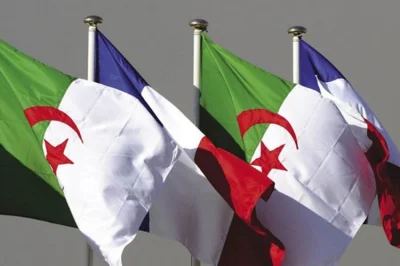
After months of refusal and fleeing forward, French authorities have leaned toward the option of de-escalation with Algeria, hoping to dismantle mines obstructing the restoration of normal bilateral relations, since French President, Emmanuel Macron, decided nearly two years ago to bias flagrantly toward the Moroccan regime regarding the Western Sahara issue, despite his awareness of the sensitivity of this file for Algeria. In an unexpected position, the French prosecutor surprised the defense team and judges by requesting the release of the Algerian consular agent, who has been in prison in France outside of diplomatic and consular norms for over a year, on the grounds that his continued imprisonment “is no longer useful in reaching the truth”, which was considered a shift in this case that has prevented progress in bilateral relations despite mutual official visits between officials of the two countries. Based on what was reported by the French newspaper “Le Monde”, the request from the National Anti-Terrorism Prosecutor’s Office came following a release request submitted by defense lawyers, which was considered, according to the newspaper, a “clear retreat” in the prosecution’s position on this case, as the Anti-Terrorism Prosecutor’s Office had until now rejected all requests to release the consular employee. The newspaper questioned whether this data is considered a “new flexibility linked to efforts made behind the scenes between Paris and Algeria to resolve the crisis and secure the release of the French journalist, Christophe Gleizes, whom the Algerian authorities have refused to pardon to this day”, despite the preparation of conditions for that, according to the French narrative. Until now, the liberties and detention judge in charge of the Algerian consular employee’s case still refuses to release him, as happened in the session on June 18, but the refusal decision was appealed, and the decision is to be issued in a session held before July 13, according to “Le Monde” sources. Until recently, French officials justified the continued imprisonment of the Algerian consular employee, who was imprisoned in a plot orchestrated by former French Interior Minister, Bruno Retailleau, on April 12, 2025, by the independence of justice, a justification that did not convince the Algerian side, which insisted on the corruption of the procedures for imprisoning the consular employee who fell victim to the enmity of French political parties trying to employ the crisis with Algeria to achieve political and electoral gains. French leaks talk about signs of a French offer for a swap between the Algerian consular employee and the French journalist who is serving a seven-year prison sentence in a case related to supporting and praising terrorism, which collapses the narrative of French officials who argued for a long time about the independence of French justice, which proved false over time after the shift that occurred in the recent French prosecution position. Perhaps what reinforces this approach is that the organization “Reporters Without Borders” picked up on the change in the French prosecution’s position on the case of the Algerian consular employee and the demand for the release of the French journalist, whose fate remains hanging on the decision of French justice. According to what was reported by “Le Monde”, the French side became convinced that the continued imprisonment of the Algerian consular employee is considered a major obstacle to any normalization of relations between the two countries, rather it destroyed any hope for a pardon for the sports journalist Christophe Gleizes, for whom all Paris’s efforts to obtain a pardon failed, and some French practices even increased the complexity of his situation by trying to internationalize his case by involving the International Federation of Association Football in provoking Algeria. In the view of observers, the Algerian toughness in dealing with Paris’s pleas to release the French journalist is what pushed the French government to pressure “independent” justice in order to search for a solution that ends the imprisonment of the consular employee and his return to his family in Algeria. This is clearly evident through the timing of the French prosecution’s leaning toward requesting the release of the consular employee, which coincides with Independence Day in Algeria (July 5), on which the President of the Republic, Mr. Abdelmadjid Tebboune, usually issues pardons for prisoners. However, in light of the French side’s hesitation in releasing the consular employee, it is unlikely that a pardon will be issued for Christophe Gleizes on the occasion of Independence Day, because trust is lost between the two sides, and keeping the Algerian national without full release by depriving him of returning to his family will also apply to the French prisoner, who is not unlikely to receive the same treatment, meaning ending the procedures on both sides regardless of the justifications of the French side, which argues for the completion of litigation procedures for the French national, unlike the Algerian national. In a related context, the investigative newspaper “Mediapart” quoted a French diplomatic source expressing pessimism about the restoration of relations between Algeria and Paris due to their specific nature. It pointed out that the decision of French President, Emmanuel Macron, regarding the Western Sahara issue, caused an earthquake that almost led to a diplomatic rupture, and brought back to the forefront a series of sensitive files that diplomacy between Algeria and France was trying to hide, most notably the somber colonial legacy and historical memory.
Russia Calls on Mali to Revive the 2015 Algiers Peace and Reconciliation Accord
The unexpected diplomatic reconciliation between Algeria and Mali continues to attract attention and spark interest among observers because of its implications for the security situation in the strategically sensitive Sahel region, which has become an arena for competition among major powers seeking to expand their influence in the former colonies of a weakened French state. France appears to have been among the countries most unsettled by the rapprochement, which is seen as running counter to Paris’s interests in the region. French officials had reportedly counted on their ally, the Moroccan regime, to maintain strained relations with the regimes of the Sahel. However, the sudden reconciliation between Algeria and Mali disrupted those calculations, prompting French policymakers to examine the circumstances behind the breakthrough and reassess their approach in light of the changing regional dynamics. According to an investigation by the French newspaper Le Monde, the reconciliation dealt a significant blow to France’s already diminished presence in the Sahel. The restoration of ties between Algeria and Mali is viewed as strengthening Algerian influence alongside that of Russia, further eroding France’s traditional role in a region long regarded as strategically important to Paris. Citing unnamed sources, Le Monde reported that the de-escalation between Algiers and Bamako has also helped stabilize Russia’s position in Mali and the wider region. Following setbacks suffered by the Russian Africa Corps—which has been supporting the Malian armed forces since last spring—Moscow reportedly concluded that resolving the crisis would require Algeria to play a central role, given its longstanding ability to influence the conflict and its repeated mediation efforts over several decades. Russian authorities have ultimately come to believe that the conflict in Mali cannot be brought to an end without reviving the 2015 Algiers Peace and Reconciliation Agreement, signed under United Nations auspices and facilitated by Algeria. The conclusion reportedly reflects growing recognition that a purely military solution is unlikely to succeed—an assessment Algeria has consistently advocated. Le Monde quoted a source in Mali as saying that Russian Foreign Minister Sergey Lavrov reiterated this position during a summit with his counterparts from the Sahel states in Niamey, Niger, on July 8—two days before the reconciliation with Algeria was publicly announced. Lavrov told the ministers that “a purely military solution is not a good solution” and that “Mali needs reconciliation with Algeria.” The reported shift in both Russian and Malian positions is said to have followed a series of military setbacks suffered by the Africa Corps and Malian regular forces since last spring during fighting on the outskirts of Bamako. The clashes reportedly resulted in the deaths of Mali’s defense minister and intelligence chief. Fighting resumed earlier this month across several cities in central, northern, and northeastern Mali, with armed opposition groups capturing a number of towns and taking control of strategic routes leading to major urban centers such as Timbuktu. Commenting on these developments, Toufik Bougaada, a professor of political science and international relations at the University of Algiers 3, argued that if Le Monde’s reporting is accurate, Moscow’s renewed interest in the peace agreement reflects a recognition that continued instability in Mali undermines Russia’s own regional interests. He suggested that a prolonged conflict would impose mounting costs on both the Russian Africa Corps and the Malian armed forces. Bougaada noted that the Algiers Agreement, brokered under UN auspices, had contributed to stability in northern Mali. However, he argued that its provisions were never fully implemented, particularly following the political changes in Bamako after the military coups that began in 2020, which disrupted efforts to carry out the accord. He further suggested that Russia may have gradually concluded that Algeria—drawing on decades of experience mediating between the Azawad movements in northern Mali and successive governments in Bamako—is uniquely positioned to bridge the divide between the Malian authorities and the Tuareg-led opposition. Algeria has sponsored a series of peace initiatives dating back to the 1960s, including the 1991 accords and culminating in the 2015 Accord for Peace and Reconciliation in Mali. According to Bougaada, Algeria remains the only actor capable of helping resolve the deep political disagreements between the Malian government and the Azawad movements, which seek greater participation in state governance as well as a more equitable distribution of national wealth and development resources. He concluded that the reconciliation reached approximately a week ago between Algeria and Mali was ultimately predictable given the failure of an exclusively security-based approach to a crisis rooted in political grievances. In his view, the Malian conflict should have been addressed through dialogue from the outset, building on the lessons of previous crises that were ultimately resolved through negotiation rather than military force.
History, Hegemony and the Civilizations That Outlive Empires
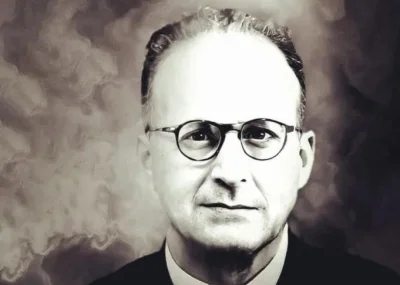
There are moments when the decline of a power can be measured in statistics, military setbacks or shifting alliances. And there are moments when something deeper seems to be happening — something we recognize before we can fully measure it: an entire historical order begins to lose the confidence, coherence and authority that once allowed it to shape the world in its own image. For those of us who grew up in societies that experienced colonialism not as an abstraction in a history book but as a memory still carried by families, cities and generations, this question is inevitably more than academic. We have seen the extraordinary power of the West, learned from its knowledge, encountered its institutions and contradictions, and watched its promises of universality collide, too often, with the realities of power. Today, as the Middle East is again shaken by war, Gaza devastated, Iran confronted, American power tested and the international order increasingly contested, we find ourselves returning to a thinker who understood that civilizations cannot ultimately be measured by the weapons they possess or the wealth they accumulate. Long before “multipolarity” became the vocabulary of contemporary geopolitics, Malek Bennabi had offered another way of reading history: through man, time, ideas, moral energy and the mysterious moment when a society acquires the capacity to enter history — or begins to lose it. Perhaps this is why Bennabi speaks so directly to our present. Not because he predicted it. But because he gave us a language with which to think about it. The Equation of History In a timely and readable recent book titled “Why History Matters”1, Dr Yakoob Ahmed engages themes from theology and civilization to imagination and storytelling with a view to reviving historical consciousness as both an intellectual and spiritual imperative. In it, he reminds us of the oft-cited saying according to which history tends to repeat itself and the quote, widely attributed to American humorist Mark Twain suggesting that “history does not repeat itself, but it rhymes.2 One way to examine the idea that humans are destined to repeat the actions of the past, Ahmed says, is “through the rise and fall of states, the inevitable end of power, and the cyclical patterns of tyranny that ultimately come to a close.” He also rightly observed that Ibn Khaldun was not the only Muslim thinker who made the case of cycles in history, nor that simply Muslims wrote about cyclical theories. Indeed, during the 18th and 19th centuries, Ahmed adds, thinkers in Western Europe and the Ottoman 1 Yakoob Ahmed, Why History Matters: Reviving Faith Through the Lens of History, Ketebe Publishing, Istanbul, Türkiye, 2025. 2 Although the saying is almost universally attributed to Mark Twain, the earliest documented use of a similar phrasing appears in Theodor Reik’s 1965 essay The Unreachables, where he wrote: “It has been said that history repeats itself. This is perhaps not quite correct; it merely rhymes.” Twain did, however, express related ideas about historical repetition in his 1874 novel The Gilded Age: A Tale of To-Day, stating: “History never repeats itself, but the Kaleidoscopic combinations of the pictured present often seem to be constructed out of the broken fragments of antique legends”. This conveys a sense of historical echoes, though it does not use the rhyme metaphor. (Source: David J. Kent, in Word Hot White Snow, wordpress.com, April 2024). Empire examined Ibn Khaldun’s ideas to establish where and how nations tend to repeat themselves, and where lessons can be learned. He specifically mentioned the Scottish 18th century historian Alexander Fraser Tyler who claimed that democracies follow a predictable cyclical pattern, evolving from “having virtuous intentions to becoming corrupted, and later declining.” Conventional political science commonly diagnoses the deep and accelerating shift characterizing the modern landscape of global geopolitics — that is the transition away from a unipolar world anchored by Western hegemony toward a fragmented, multipolar reality— through macroeconomic volatility, demographic deficits, or logistical overreach. Such a view stems from a secular understanding of reality, typically supposed to be grounded in the scientific method, empirical evidence, rational enquiry, and experimentation, while totally excluding any religious interpretations. For his part, Malek Bennabi offered a profoundly different diagnosis. By way of a method reflective of his personal intellectual and religious culture — consisting essentially in bridging traditional Islamic sociology, mid-twentieth century Western historiography, and modern structural analysis — he approached history not as a sequence of random interactions or pure material accumulations, but as a rigorous biological and psychological cycle governed by structural laws. As outlined earlier, Bennabi treated sociology with the precision of mathematics through his famous triad: Civilization = Man + Soil + Time. These three fundamental elements, Bennabi explains, exist in every human group, yet they remain static, inert materials until they are vitalized by an ideological or spiritual catalyst. He mapped the lifecycle of any civilization across three psychological and chronological stages. Hence, when an intense moral breath tames the primal instincts of a society, it binds individuals into a unified social network (the Stage of the Spirit) turning raw human potential into an engine capable of historical creation of institutions, sciences, law, and physical architecture (the Stage of the Reason). Conversely, when that spiritual catalyst loses its active energy, the social network disintegrates and dissolves into individualism, hyper-consumerism, and a worship of material objects, thereafter initiating an irreversible slide into ethical decay, which in turn unavoidably leads to societal collapse (the Stage of the Instinct). How does Bennabi’s view compare to some other influential classical and contemporary civilizational theorists? During the classical and modern eras, two towering figures, Abdurrahman Ibn Khaldun and Arnold Toynbee, profoundly influenced the history of ideas concerning the study of the destiny of human civilizations, particularly through their monumental works, the “Muqaddimah” and ‘The Study of History”, respectively. It is therefore not surprising that Bennabi was considerably influenced by their theories. That being said, while Ibn Khaldun asserted that “Asabiyyah” (social bonds and group solidarity) naturally develops among rugged desert groups and nomadic states and is subsequently dissolved by urban luxury within a strict four-generation cycle, thus paving the way for the rise of a new group with a stronger asabiyyah, Bennabi deepened this observation. He posited that social cohesion is not generated spontaneously by environment or blood alone; rather, it is a secondary manifestation of a primary spiritual/religious catalyst. He further argued that luxury is not toxic because it is comfortable, but because it breaks the social network by shifting focus from transcendent duties to immediate individual instincts. Similarly, Bennabi’s framework closely parallels Arnold Toynbee’s concept of “Challenge and Response.” Both scholars rejected racial or strictly geographical explanations of historical primacy. Toynbee argued that when a “Creative Minority” stops offering innovative solutions to existential challenges, it degenerates into a “Dominant Minority” that can only govern through coercive violence. Bennabi provided the inner psychological anatomy for this transition: the loss of creativity is the direct consequence of a society entering the Stage of the Instinct, where its ideas turn into hollow cultural artifacts, leaving behind nothing but raw force. All Roads Lead to Rome In more recent times, thinkers like Paul Kennedy, Francis Fukuyama, Samuel Huntington and others provided diverging opinions but having in common a strongly-marked materialistic perspective. In his acclaimed book “The Rise and Fall of the Great Powers”3, historian Paul Kennedy traces the postures of the world’s leading nations over five centuries starting with the Habsburg Empire in the 16th century. In it, he argues that empires project military power according to their economic resources but eventually the high cost of maintaining military supremacy weakens their economic base. As a result, they tend to respond by spending more on defense and thus weaken themselves further by diverting essential resources away from new, productive investment. Bennabi would view Kennedy’s fundamentally materialist analysis of “imperial overstretch” as a symptom, not a cause, given that, for him, economic and military imbalances occur only after a civilization has entered its Stage of the Instinct, and also because a society rich in “moral capital” can survive material scarcity, whereas a morally bankrupt society will collapse regardless of its GDP or military spending. Huntington, argued that post-Cold War conflicts would trigger along cultural and religious fault lines. Bennabi anticipated this friction but offered a deeper diagnostic. He contended that the tension between the West and the Islamic world is not an inherent clash of civilizations, but a clash between a dying, over-materialized civilization (the West) and a stagnant, “colonizable” society (the Islamic world) that has yet to rekindle its original spiritual formula. Bennabi’s entire philosophy stands as a direct refutation of Francis Fukuyama’s thesis positing that Western liberal democracy was the final endpoint of human ideological evolution. Bennabi warned against confusing “civilization” with “accumulation”, considering that buying, copying, or implementing Western political institutions and consumer products does not make a society civilized. Without a living spiritual and moral anchor, he explained, consumerist democracy is merely the final, sterile stage of the Stage of the Instinct. Two decades before Fukuyama, Bennabi used the concept of the “end of history,” but from radically different civilizational lenses: while Fukuyama — who views history as a linear, evolutionary process — history “ends” because the ultimate political and ideological consensus (that is Western liberal democracy and market capitalism) has been reached, for Bennabi — who views history as a cyclical law of nature — history “ must end at some point” when a specific civilizational cycle has exhausted its psychological and spiritual momentum. History then does not stop permanently; it resets so that a “new point” of civilizational genesis can begin. As for the “Last Man”, Fukuyama — drawing from Friedrich Nietzsche — sees him as a secure, materially satisfied individual devoid of great passions, higher ideals, or willingness to struggle, in other words, a figure representing the psychological stagnation of a triumphant Western model. Conversely, Bennabi observed a similar stagnation in the 3 Paul Kennedy, The Rise and Fall of the Great Powers: Economic Change and Military Conflict from 1500 to 2000, Unwyn Hyman, London, 1988. Muslim world, which he termed the “colonizability” stage: when a civilization’s initial moral and spiritual impulse dies out, its people become passive consumers of other civilizations’ products, losing their agency in making history. Historian and demographer Emmanuel Todd famously predicted the collapse of the Soviet Union using mainly infant mortality rates. In his 2004 book first published in French “La Défaite de l’Occident” (The Defeat of the West) 4, he argues that the war in Ukraine (as well as the American nihilism exhibited in Gaza) acts as a revealer of the terminal decline of the West, triggered by internal self-destruction rather than just the power of its adversaries. Organized around demographic, industrial, and religious factors, Todd’s analysis concludes that the West in general and the United States in particular are in a deep state of social disintegration. Moreover, the total disappearance of Protestantism, which, he says, historically drove the strength of the Anglo-Saxon world (literacy, discipline, work ethic) left an ideological and moral vacuum. Thus, deprived of religious or collective guidance, the West has plummeted into a metaphysical void and a self-destructive impulse, resulting in a divorce between elites and the working class. In short, Todd is of the opinion that the Western bloc survives only through the aggressive expansion of an already hollow model. The concluding remark of the book is particularly grim: “If we want to anticipate America’s strategic choices, we must urgently abandon the axiom of rationality. The United States is not looking for gains by weighing costs. In the village of Washington, in the land of mass shootings, in the era of zero religion, the primary impulse is a need for violence.” Like Bennabi, Todd looks at the biological metrics of “Man” and “Time.” In particular, his observation of rising nihilism and declining birth rates in the West aligns precisely with Bennabi’s Stage of the Instinct, where individual gratification supersedes the generational transmission of civilization. In the same vein, jumping on the bandwagon of thinkers like Edward Gibbon5 in particular, historian Peter Heather and economist John Rapley contend, in their new book “Why Empires Fall”,6 that empires inevitably sow the seeds of their own destruction through an internal “imperial life cycle”. The authors show how an empire’s own success enriches and modernizes its geographic “periphery”, only to see these newly empowered outside regions rise up to challenge and overtake the imperial core. In such a pattern they find striking parallels between ancient Rome and the modern West (led by the United States), including — interestingly enough in light of the ongoing unjust US-Israeli war on Iran — in the fact that “the eventual revival of Persia as a peer competitor put unsustainable pressure on Rome’s declining fiscal and military capacities.”7 In concluding they stress that Western 4 Emmanuel Todd, La Défaite de l’Occident, Editions Gallimard, 2024. 5 Edward Gibbon (1737-1794) was a British historian, essayist, and politician best known for his six-volume The History of the Decline and Fall of the Roman Empire in which he analyzed the causes of Rome’s fall from 98 to 1590, emphasizing internal decay, barbarian invasions, and the role of Christianity. His skeptical analysis of Christianity sparked lasting controversy, but his narrative style and rigorous scholarship profoundly influenced later historians and writers. Among those is British historian Niall Ferguson who said in 2015 that Europe “has grown decadent in its shopping malls and sports stadiums” while letting in “outsiders who have coveted its wealth without renouncing their ancestral faith (…) Like the Roman Empire in the early fifth century, Europe has allowed its defenses to crumble (…) This is exactly how civilizations fall.” 6 Peter Heather and John Rapley, Why Empires Fall: Rome, America, and the Future of the West, Allen Lane, 2023. 7 Read in this respect: -the essay co-authored by Narges Bajoghli and Vali Nasr titled Iran’s New Grand Strategy, published in the July/August 2026 issue of Foreign Affairs magazine (https://www.foreignaffairs.com/iran/irans-new-grand-strategy). In it, the two scholars of Iranian origin examine how a new generation of Iranian leaders is reshaping the country’s domestic order, society, and regional policy. following recent conflicts; -Marc Lynch’s analysis titled The End of the American Middle East: Iran and the Last Gasp of a Failed Order, in the September/October 2026 issue of the same magazine, in which the Professor of Political Science and International Affairs global primacy cannot be recovered, but total collapse is not a foregone conclusion if leadership adapts. To preserve the West’s core interests, they say, Western leaders must stop trying to police the world and instead focus on creating a multipolar global framework. By doing so, “Not only would the form of the Western nation state — originally built on leveraged wealth flows from the rest of the planet — have managed to negotiate a moment of potentially existential crisis, but it would have generated a post-colonial legacy of real greatness, of which its citizens could be genuinely proud.” It is important to point out here that the literature on the historiography of how empires rise and fall, and more specifically the one on the parallel between the fate of ancient Rome and that of the modern West (under the leadership of the United States), has exploded in recent decades, especially following the fall of the Soviet Union and, consequently, the emergence of the United States of America as the sole “hyperpower,” to use the term coined by former French Foreign Minister Dominique de Villepin. Almost two decades before Heather and Hapley, the former editor-at-large of Vanity Fair magazine in the US, and previously managing editor of The Atlantic Monthly, Cullen Murphy, wrote a compelling book8 on this very subject. In it, he explores how the Roman and American populations saw their political elites, and their insular cultures; looks at the consequences of military overstretch and the widening gap between military and civilian society; sees both states weakened through “privatization” and vexed by the paradoxical issue of borders; and argues that America most resembles Rome in the “burgeoning corruption of its government and in its arrogant ignorance of the world”. With regard to this last point, he writes: “The Romans were aware, to be sure, that all previous empires had fallen. But they saw their own empire as the culminating work of creation. The torch had been passed, once and for all. Roma Aeterna! In the eyes of a Roman living in the empire’s Golden Age, Rome would never die.” Outside of academia, French President Emmanuel Macron was one of the few Western leaders to publicly acknowledge this historical shift. At a conference, on August 27, 2019, at the Élysée Palace, he delivered a significant speech to his ambassadors accredited worldwide, in which he notably declared: “We are undoubtedly witnessing the end of Western hegemony over the world,” due to Western errors and the emergence of new powers. The President analyzed the transition from an international order shaped since the 18th century by the West (France, the United Kingdom, and then the United States) to a new balance of power disrupted by geopolitical missteps and American choices.9 The fate of the “Jewish State”: Like Father like Son at George Washington University and author of America’s Middle East: The Ruination of a Region, argues that “The American Middle East is finished. The regional order that has prevailed since 1991 has been one of the many casualties of the U.S.-Israeli war with Iran. The American and Israeli failure to dislodge the regime in Tehran has proved the bankruptcy of decades of sanctions and violence (…) the old order is in fact giving way to something new (…) And assuming that the Iranian regime does not collapse any time soon — which it appears highly unlikely to do — an emboldened Tehran will hope to defend and expand its regional influence by bogging Washington down in the kinds of endless, borderless ‘gray zone’ conflicts in which it has always thrived.” 8 Cullen Murphy, The New Rome: The Fall of an Empire and the Fate of America, Houghton Mifflin Company, USA, 2007. 9 To read the full speech in French: https://www.elysee.fr/emmanuel- macron/2019/08/27/discours-du-president-de-la- republique-a-la-conference-des-ambassadeurs-1 In his recent book, The Monstrosity of Our Century 10, Amir Nour devoted an entire chapter to the complex issue of the fate of what Israelis call the “Jewish state.” He expressed his conviction that this “state” — created from scratch with the active complicity and multifaceted support of the West in 1948 in a geographical and civilizational area entirely different from the history, culture, and aspirations of the Zionist settlers who came primarily from Central and Eastern Europe — lacks both the legitimacy and the demographics necessary to guarantee its long-term survival. Nour offered his perspective on what he considers the only lasting solution to a conflict originating In World War I and whose dramatic consequences risk multiplying in the future absent an urgent and definitive settlement. Past and present upheavals throughout the West Asian region prove beyond a doubt that such a lasting solution could be nothing other than the creation of a democratic state (or confederation) in Palestine where Muslim, Jewish, Christian and other citizens will have the same constitutional rights and obligations, and share the common desire to achieve peace and prosperity in a “holly land”, transformed by an “unholy alliance” between a supremacist Zionist ideology and nihilist West only pursuing its vested interests, into a land of genocide and other tragedies, of which the Palestinians are the principal sin-offerings. This viewpoint, long considered by representatives of the said alliance as a chimera, or even anathema, is today increasingly shared and defended by figures who are authorities in Western academic circles and, more significantly, among young Jews and a significant fringe within the American Democratic Party, as evidenced by recent polls conducted by bodies known for their seriousness.11 To back up our point, we’ll share in the lines that follow some viewpoints similar to Nour’s, expressed by well-known personalities from different cultural and religious backgrounds. In his latest book12 “Israël. Une course vers l’abîme” (Israel. A Race to the Abyss), renowned Jewish historian, a specialist of Nazi Germany and the genocide of the Jews of Europe, Omer Bartov gives a searing critique of Israel’s trajectory from a post-Shoah refuge to what he describes as an ethno- nationalist regime engaged in “systematic war crimes, crimes against humanity, and genocidal acts” in Gaza. The grandson and son of fervent Zionist figures, the Israeli-American academician wonders what “went wrong” in the realization of the Zionist dream, an ideology, he says, that has now become “indefensible” and must be relegated to the dustbin of history.13 It is important to note here that in November 2023, Bartov believed that there was no evidence a genocide was happening in Gaza, and in an interview with Democracy Now! the same month he explained that neither the two-state solution nor a binational state is realistic, saying “A binational state wouldn’t work, and an independent Palestinian state has become practically impossible. The only solution is a confederation, two distinct but interdependent states, with shared institutions.” Without a political solution, he says, Israeli society will sink a little deeper into a moral and psychological abyss every day. He, therefore, places 10 See:https://www.claritypress.com/product/the-monstrosity-of-our-century-the-war-on-palestine-and-the-last-western- man/ 11 Read Bededict Vigers’ article “Israelis No Longer Ahead in Americans’ Middle East Sympathies” showing shifting public opinion in the United States, with 57% of Americans supporting an independent Palestinian state, and 41% expressing more sympathy for Palestinians compared to 36% for Israelis, especially among specific young adults: https://share.google/Sjb3Ar8563GxuAPWK 12 Omer Bartov, Israël. Une course vers l’abîme, (translated by Sibylle Grimbert), Editions du Seuil, May 2026. 13 For more insights about the Zionist ideology, read: Pr. Yakov Rapkin, Israel in Palestine: Jewish Rejection of Zionism, Aspect Editions, September 2025. his hope in international pressure, particularly from Germany, which would force Israel to accept the creation of a confederation based on openness and cooperation, linking two distinct states, one Palestinian and the other Israeli, separated by a border set along the “1967 Green Line” (the one that existed before the so-called Six-Day War). Pr. John Mearsheimer argues that history is not a neutral backdrop in international politics. It is “a living force that shapes perceptions, fuels grievances, and molds the behavior of states and societies. The Six-Day War of 1967 — which left Israel in control of Jerusalem, the West Bank, Gaza, and the Golan Heights — he rightly reminds us, was a humiliation for the Arab world and a turning point in regional memory. That defeat still echoes in Arab political culture, and the longer those territories remain occupied, the more deeply they entrench hostility toward Israel, not only among Palestinians but across the wider region. Beyond the Middle East, especially in Africa, Asia and Latin America, Mearsheimer adds, Israel is increasingly viewed through the lens of colonial history, and “in a multipolar world where the voices of the Global South carry more weight, this perception magnifies Israel’s isolation.” Moreover, resentment is not confined to the Arab-Muslim worlds and the other countries of the Global South. In Europe, Mearsheimer explains, memories of colonialism and guilt over the Holocaust initially produced strong sympathy for Israel, but “as the decades have passed, the sympathy has waned. This shift in European sentiment is significant because “Europe remains an important partner in international diplomacy, and its criticism adds to Israel’s isolation in global forums.” Even more significant is for Mearsheimer the fact that in the United Stated, “which has provided Israel with a unique combination of military aid, diplomatic cover, and economic assistance that no other state on earth has enjoyed for such an extended period of time — consensus is eroding as younger Americans evaluate Israel primarily through the lens of contemporary politics, namely respect for human rights and international law rather than Cold War ideologies and alliances. For them, “the narrative of eternal victimhood rings hollow when it conflicts with the lived reality of Palestinians under occupation.”. History, Mearsheimer concludes as a serious warning to Israel, “is full of examples where states dependent on external guarantees found themselves exposed when their patrons shifted course.” Concurring broadly with Mearsheimer’s views, Wadah Khanfar, a prominent Palestinian journalist and former Director of the Al Jazeera Network, explicitly compares the current contends that Western and Israeli strategists evaluate their conflicts in the Arab-Muslim world solely in terms of physical destruction and technological superiority. In doing so, they overlook the civilizational psychology of the region, and much like the Crusaders, the Mongols, Napoleon Bonaparte, and Western colonialists experienced in their entanglements with the peoples of the region, “bombing infrastructures does not erase a people’s will for dignity or their collective memory. The escalation against Iran and the siege of Gaza only entrench long-term resistance, turning Israel into a pariah state that is unmanageable for Washington.” For Khanfar, the war on Gaza and the strikes against Iran are not isolated events, but the convulsions of a dying Western order. Escaping the colonial era and Western hegemony in the Middle East, he says, relies on a dual dynamic: an internal impulse (the youth rejecting passive elites and rewriting the global narrative) and an external geopolitical coalition (i.e. an expanded Islamic alliance). Only through such a synergy will the region cease to be a playground for major powers and “once again become the author of its own history.”` Conclusion Only through such a synergy, Khanfar argues, will the region cease to be a playground for major powers and “once again become the author of its own history.” And perhaps this is where we should return, one final time, to Bennabi. Because the decline of one civilization is not the birth certificate of another. The weakening of Western hegemony, however profound it may become, will not by itself restore the historical agency of the Arab-Muslim world. Nor will American retreat, Israeli isolation, multipolarity, or the emergence of new powers automatically produce a new civilization. Bennabi would probably have regarded such expectations as another form of dependence: waiting for history to be delivered by the decline of others instead of creating it ourselves. This, ultimately, is why history matters to us. We come from a region that has known conquest and resistance, humiliation and renewal, colonization and independence. We have inherited both wounds and possibilities. And we have learned that military superiority can occupy territory, destroy cities and impose political orders — sometimes for generations — but it cannot indefinitely command memory, dignity or the human desire to recover agency. Empires eventually discover this. Peoples rarely forget it. Bennabi’s enduring lesson is therefore neither a prophecy of Western collapse nor a promise of Muslim renaissance. It is considerably more demanding: no civilization inherits the future simply because another civilization is losing its grip on the present. History does not reward those who wait beside the ruins of an exhausted order. It begins again with those capable of transforming Man, Soil and Time into meaning, responsibility and action. The question before us is therefore no longer merely whether an age is ending. It is whether we are ready to help write what comes next.
Echorta Magazine: Algeria Confronts ‘Makhzen Poisons’ and Online Propaganda Campaigns
Algeria’s General Directorate of National Security (DGSN) has stressed that the country, along with all its security institutions, is now facing a new generation of threats. These range from “poisons” spread by its western neighbor in an attempt to corrupt the minds and bodies of Algeria’s youth, to hostile voices hiding behind computer screens and exploiting digital technologies to disseminate disinformation across borders. According to the DGSN, these campaigns seek to distort Algeria’s image and falsify facts, but they will not succeed as long as the nation is defended by men who have devoted their lives to serving and protecting it, foremost among them the People’s National Army and the country’s other security services. In the latest issue of Echorta (Police) Magazine (No. 165), titled “A Nation Whose Glory Was Guarded by the Martyrs and Is Built by Its Loyal Sons,” the editorial states that “all Algerian state institutions continue to work side by side with unwavering determination and unrelenting resolve, keeping firmly in sight the goal of achieving comprehensive development and advancing every sector through reforms that meet the challenges of the present and the aspirations of the future.” The editorial continues: “From development projects to reform initiatives, from investing in human capital to building infrastructure and public facilities, efforts converge and determination unites to move steadily toward broader horizons and a brighter future, in line with the sound guidance and far-sighted vision of President Abdelmadjid Tebboune.” The magazine further praises “the united efforts of Algerian hands and the ambitions of constructive national talent that are shaping tomorrow and envisioning the future, guided by knowledge and learning, and armed with awareness and a profound sense of responsibility for the trust placed upon them, in order to lay the foundations of a strong state underpinned by security and stability.” The editorial also highlights the responsibilities entrusted to the General Directorate of National Security, emphasizing that, “like all state institutions carrying out their duty in the service of the nation and its citizens, the DGSN remains vigilant in safeguarding security and preserving public order. It draws inspiration from the values of loyalty, discipline, and selfless dedication. Thanks to the vigilance and sacrifices of its personnel, the pillars of security and stability are strengthened, public trust is reinforced, and a modern security approach based on proximity to citizens and public service is translated into practice.” It adds that the DGSN continues to adapt to evolving challenges by modernizing its operational capabilities, enhancing training, and expanding the use of advanced technologies, enabling it to remain, alongside Algeria’s other security institutions, “an impregnable fortress protecting the nation and a towering bulwark against those who seek to undermine Algeria’s security and stability, backed by operational readiness and a strong digital footprint.”

Hungarian Magazine Exposes Crimes of the Moroccan Occupation in Western Sahara
The Hungarian weekly magazine N.L.Th has drawn attention to what it describes as one of the most serious consequences of Morocco’s presence in Western Sahara, presenting to European and international audiences the reality of the Moroccan military wall and the ongoing humanitarian suffering associated with it. The publication comes at a time of growing calls for an end to the occupation and for the Sahrawi people to exercise their right to self-determination. In an article by journalist Erika Tóth, the magazine highlighted that the Moroccan military wall—stretching approximately 2,700 kilometers—is considered the second-longest fortified barrier in the world after the Great Wall of China. According to the report, it is surrounded by what is described as the largest minefield on Earth, with more than seven million landmines laid by Moroccan forces, in addition to large quantities of unexploded ordnance. This ongoing situation continues to endanger Sahrawi civilians and undermine their security and safety. Reviewing the historical background of the conflict, the magazine stated that the roots of the crisis trace back to 1975, following Spain’s withdrawal from Western Sahara and the signing of the Madrid Agreement, under which the territory was divided. The article characterizes this process as having disregarded the will of the Sahrawi people and their claimed right to self-determination, developments that led to the emergence of the Sahrawi national struggle and the proclamation of the Sahrawi Arab Democratic Republic on 27 February 1976. Addressing the circumstances surrounding the construction of the wall, the magazine asserted that the Moroccan authorities began building the extensive military fortifications between 1980 and 1987 after suffering significant military setbacks against the Sahrawi People’s Liberation Army, the project aimed to consolidate Morocco’s control over the territory and establish a military reality that conflicts with principles of international law. The report further noted that the Polisario Front and the government of the Sahrawi Arab Democratic Republic continue to warn about the daily dangers posed by landmines planted along the wall. These explosives continue to claim civilian lives and cause severe injuries and permanent disabilities, while Sahrawi communities remain affected by the policy of territorial militarization and enclosure with death zones. The publication of this article in a prominent European media outlet demonstrates that efforts to limit media coverage of conditions in Western Sahara are increasingly unable to prevent information from reaching international audiences, amid growing attention to violations in the territory and renewed calls to end Moroccan control, remove landmines, and ensure respect for the rights of the Sahrawi people in accordance with international legitimacy.
The French Ambassador Received A Mandate From His Superiors To Speak About Visas
The state of nervousness that characterized the positions of French officials regarding the statements made by the French Ambassador to Algeria, Stephane Romatet, while discussing visas granted to Algerians, revealed that something unknown to the public lies behind this commotion that “demonized” the Ambassador and made him an outcast even by those who appointed him to this position. However, this secret did not remain hidden for long, and as it has become known to many in Algeria and Paris, the traces of the former French Ambassador, Xavier Driencourt, can be felt to discover that the man is behind every political and media “bombshell”, as is the case for what has become known as the “visa” affair, which seems likely to claim other heads in the near future. In this regard, the former French Ambassador to Algeria, Xavier Driencourt, dropped a bombshell regarding the “visa controversy” between Algeria and France, confirming that the French Ambassador, Stephane Romatet, when he spoke about his intention to increase the number of visas, did not decide on his own, but rather received a “mandate” from the higher authorities, represented by the French President, Emmanuel Macron. Driencourt said in a contribution, Wednesday, July 29, 2026, on the website of “Le Journal du Dimanche”, that Ambassador Romatet stated that he “returned to Algeria commissioned by President Macron, in order to put relations between the two countries back on the right track, and to return the number of visas issued to Algerian citizens to pre-crisis levels, i.e., 250,000 visas annually.” The retired French diplomat explained: “With this seemingly innocent statement, the Ambassador acknowledged two things: first, he confirmed his goal of issuing 250,000 visas from the three French consulates in Algeria; second, he acknowledged receiving this mandate from the President (and therefore from the Ministries of Foreign Affairs and Interior) for this purpose. These two statements are what exposed him to harsh criticism, as well as a correction from the Elysee Palace.” Immediately after the French Ambassador made those statements, an uproar broke out, and prominent figures in the government and opposition mobilized to attack him. However, what is striking is the campaign he was subjected to by state officials, while opposition criticism remains part of the political practice there. He was criticized by the Minister Delegate for Europe at the Ministry of Foreign Affairs, Benjamin Haddad, by the Minister of Overseas Territories, Naïma Moutchou, and most strangely by the minister overseeing him, Foreign Minister Jean-Noël Barrot. The matter did not stop there, but even reached the Elysee Palace, where Emmanuel Macron, in a cabinet meeting, tasked the government spokesperson, Maud Bregeon, with refuting the French Ambassador, in an unenviable scene. In his analysis of this issue, the author of the book “The Double Blindness” wondered: “Why?”, before answering: “Because the issue of visas is an extremely sensitive topic in Algeria, which is no secret to anyone, because the Algerian community in France is the largest of all, and this imposes obligations on Paris that it must fulfill.” Until now, the French authorities have not announced the dismissal of the Ambassador, nor has the Ambassador himself voluntarily resigned as is customary in a country described as democratic. This means, among other things, that the French authorities do not believe the Ambassador committed an error justifying his dismissal, nor does the Ambassador believe he committed an error requiring resignation, and therefore he did not. This leads to the hypothesis that what the former Ambassador said is true, which is that the current Ambassador executed what he received from his superiors in Paris. Here lies the importance of the confirmations issued by President Abdelmadjid Tebboune in his recent meeting with the media, which indicate, among other things, that the storm created by the French Ambassador’s statements about visas is a French-French matter, and that Algeria has no role in it, considering that some might be misled into thinking that Stephane Romatet’s “move” could be misunderstood as having come as a result of suggestions by the host country. This is what the former French Ambassador debunked by confirming that such statements cannot be issued by the Ambassador without referring back to his superiors in Paris, especially when it comes to a country like Algeria, which has very sensitive relations with the French state.

بشير بلومي يفرض نفسه بين نجوم الدوري الإنجليزي
يواصل الدولي الجزائري بشير بلومي تقديم مستويات قوية مع هال سيتي، بعدما سجل بداية لافتة في الدوري الإنجليزي الممتاز، جعلته ضمن قائمة أكثر اللاعبين مساهمة في الأهداف خلال الجولات الخمس الأولى من الموسم. وتمكن جناح “الخضر” من المساهمة في 4 أهداف خلال أول خمس جولات، حيث جاءت أولى إسهاماته في الجولة الثانية، عندما قدم تمريرة حاسمة ساهمت في فوز هال سيتي على كوفنتري سيتي بهدف دون رد. Fantastic support as always, #hcafc fans Back to the MKM after the break. We'll see you there pic.twitter.com/VfhnjIbyv6 — Hull City (@HullCity) September 19, 2026 وفي الجولة الثالثة، واصل بلومي تألقه، بعدما سجل ثنائية فريقه خلال التعادل أمام تشيلسي بنتيجة 2-2، ليوقع بذلك على أول أهدافه في الدوري الإنجليزي الممتاز. ولم يتوقف اللاعب الجزائري عند ذلك، حيث عاد أمس السبت ليؤكد نجاعته الهجومية، بعدما صنع الهدف الوحيد لهال سيتي في المباراة التي خسرها الفريق بنتيجة 2-1. وبهذه الحصيلة، رفع بلومي رصيده إلى 4 مساهمات تهديفية، ليحتل المركز الثالث في قائمة أكثر اللاعبين مساهمة في الأهداف، خلف باسكال غروس وجواو بيدرو، اللذين يملكان 6 مساهمات لكل منهما. وتأتي بداية بلومي القوية أمام عدد من نجوم الأندية الكبرى في الدوري الإنجليزي، حيث يتفوق حاليًا في حصيلته على خماسي أرسنال المكون من ساكا وأوديغارد وهافرتز وتزوليس وغيوكيريس، إلى جانب رباعي مانشستر يونايتد مبومو وسيسكو وكونيا وراشفورد، وثلاثي مانشستر سيتي فودين وسيمينيو ونداي، فضلًا عن نجمي ليفربول إيزاك وسوبوسلاي وفيرتز. Mohamed Belloumi en Premier League ? 𝑪’𝑬𝑺𝑻 𝑴𝑬𝑪𝑯𝑨𝑵𝑻 ! pic.twitter.com/LrFCnXMSkL — Actu Foot Afrique (@ActuFootAfrique) September 19, 2026 ولم يقتصر تألق بلومي على المساهمة في الأهداف، إذ اختاره موقع “وهو سكور” المتخصص في إحصائيات اللاعبين ضمن أفضل ثلاثة أجنحة في الدوري الإنجليزي الممتاز منذ انطلاق الموسم. وحصل نجل أسطورة “الخضر” لخضر بلومي على تقييم بلغ 7.52، ليحتل المركز الثالث في ترتيب أفضل الأجنحة، خلف بوكايو ساكا نجم أرسنال بتقييم 7.60، ومورغان روجرز لاعب أستون فيلا بتقييم 7.57. BACHIR BELLOUMI IS COOKING AGAIN! Another brilliant performance, this time with an assist against Newcastle pic.twitter.com/tl8btQw5xq — 213off (@213officiel) September 19, 2026 ويؤكد هذا الحضور اللافت لبشير بلومي في بطولة تزخر بالنجوم، التطور الكبير الذي يعيشه اللاعب مع هال سيتي، الذي صعد هذا الموسم حديثًا إلى مصاف أندية النخبة الإنجليزية، ليصبح الجناح الجزائري أحد أبرز اكتشافات بداية الموسم في صفوف “التشكيلة البرتقالية”.
Has the Undeclared Truce Between Algeria And Paris Ended?
The Algerian side was forced to come out with affirmations that helped put many dots on the i’s, regarding what has been raised for over a week of debate among some French officials, in which Algeria was implicated, through the words of more than one official in the government of Sébastien Lecornu, and concluded with the Élysée Palace entering the fray / The Algerian clarification came from President Abdelmadjid Tebboune, in a video clip on the Presidency of the Republic account on the “Facebook” platform, through which he confirmed that he had never requested a visa “quota”. He said: “I emphasize three things to Algerians before our French friends, that the Algerian President never requested a ‘quota’ for visas or a certain number of visas, rather we never talked about this file at all. Also, I never requested an apology or compensations”, from the French side. For over a week, Algeria was dragged into discussions among the French against its will, and members of the French government excelled in giving the impression that Algeria had entered into discussions or negotiations with Paris to increase the number of visas, since the interview given by the French Ambassador to Algeria, Stéphane Romatet, through which he expressed his hope to increase the number of visas for Algerians to reach 250,000. This interview left a strange stir within French political circles, which was fueled by ministers in the current government, such as Naïma Moutchou, Minister of Overseas Territories, and the Minister Delegate to the Ministry of Foreign Affairs, in charge of Europe, Benjamin Haddad, and Foreign Minister Jean-Noël Barrot, and the matter even reached the Élysée Palace, which discussed the issue in the Council of Ministers meeting last Wednesday, during which Emmanuel Macron tasked the French government spokesperson, Maud Bregeon, with emphasizing that France “will not falter” on the visa file, in a hostile and gratuitous stance. Despite the Algerian side’s commitment to silence to avoid fueling political bickering, however, with the recurrence of provocative statements by French officials, it was forced to clarify that the matter is nothing more than a storm fabricated by the French in which they drowned, and that Algeria has no role in it, as stated by President Abdelmadjid Tebboune. So, are we facing the end of the undeclared truce between Algeria and Paris, which began with the visit of the French Interior Minister, Laurent Nuñez, in February 2026, and was followed by other visits by French officials, such as the Minister of Justice, Keeper of the Seals, Gérald Moussa Darmanin last May, and before him in the same month, the Minister Delegate to the French Ministry of the Armed Forces, Alice Rufo. Commenting on what is happening at the level of relations between Algeria and France these days, a former official at the Ministry of Foreign Affairs believes that the two countries have not been able to turn the page on accumulated differences enough to build on them in order to overcome the crisis, and confirmed that French intransigence in some files cannot lead to a result that satisfies both parties. The diplomatic source said in a statement to “Echorouk” that “relations between Algeria and Paris have not improved in a way that allows them to develop, because the French side sought in an excessively pragmatic way to obtain what it was looking for, in exchange for ignoring Algerian demands that cannot be compromised in any peer-to-peer relations”. He pointed out here that the visits of French ministers to Algeria had a clear goal, which was to seek gains in terms of migration, security information exchange, and restoring cooperation in this framework, embodied by the visit of Interior Minister Laurent Nuñez, as well as fighting organized crime, embodied by the visit of Justice Minister Gérald Moussa Darmanin, which are visits that have not resulted in anything tangible so far, due to the French side’s lack of commitment to the concerns raised by the Algerian side, such as recovering looted funds and handing over those involved and wanted by Algerian justice. The latter noted that the visa card played by the French side cannot be considered an effective card, because it is only on the table with Paris, while Algerians can resort to other options in the Schengen area which are available as he said, by virtue of the quality of Algeria’s relations with other European countries in the Schengen area, which led him to say that “French intransigence cannot bring any benefit”. The source expected that bilateral relations would gradually overcome their crisis in the future, while observers believe that the differences may extend until the end of French President Emmanuel Macron’s term, which ends next spring at the earliest.
Focus Turns to Algeria’s New Government as Continuity Appears Most Likely
With the Constitutional Court having officially validated the final results of Algeria’s legislative elections, attention is now turning to the formation of the country’s next government. President Abdelmadjid Tebboune is expected to decide in the coming days on the composition of the new cabinet and the future of the Prime Minister, amid growing speculation over whether he will retain members of the current government, appoint political figures, or once again rely on technocrats drawn from the public administration, academia and state institutions. Political and constitutional indicators suggest that continuity is the most likely outcome. Throughout President Tebboune’s two terms, successive governments have been shaped largely around senior civil servants, academics and technical experts, while political parties have played only a limited role in cabinet appointments. The latest parliamentary elections did little to alter that equation. Rather than producing a rival parliamentary majority capable of imposing a partisan government, the vote consolidated a presidential majority that remained broadly supportive of the President’s programme. The elections also reignited criticism of political parties, many of which were blamed for the low voter turnout, reinforcing the argument for maintaining a government built on expertise rather than party representation. Speaking to Echorouk, political analyst Ali Hachani said any discussion over the composition of the next government must first be understood through the constitutional framework governing executive appointments. “The Constitution provides for two distinct scenarios,” he explained. “If a parliamentary majority emerges that differs from the presidential majority, the President appoints a Head of Government from that bloc. However, when Parliament is dominated by parties supporting the President’s programme, the Constitution provides for the appointment of a Prime Minister. That is the situation Algeria has experienced in recent years.” According to Hachani, the results of the latest legislative elections clearly fall into the second category. The winning parties did not create an alternative parliamentary majority but instead strengthened the presidential coalition, which continues to command the majority of seats in the National People’s Assembly. Consequently, he believes the constitutional path points toward retaining the current model, with a Prime Minister heading the government, while leaving open the possibility that other political forces could eventually join the presidential majority. Against that backdrop, Hachani does not expect the incoming cabinet to take on a distinctly political or partisan character. Experience over the past several years, he argued, has shown that President Tebboune consistently prioritizes professional competence and administrative experience over party affiliation when selecting ministers, resulting in governments dominated by technocrats rather than politicians. He acknowledged that parties aligned with the presidential majority may submit names for ministerial positions, but stressed that such proposals remain purely consultative. Under the Constitution, the appointment of ministers is an exclusive presidential prerogative, leaving the final decision entirely in the hands of the Head of State. Hachani also expects the anticipated cabinet reshuffle to remain limited in scope. Rather than a sweeping overhaul, he believes any changes will likely affect only ministries that, in the President’s assessment, have fallen short of expectations or failed to adequately implement his programme. President Tebboune, he noted, has consistently favoured stability within the executive branch over frequent ministerial reshuffles, arguing that continuity in government has proven more effective than repeated changes in leadership. As for the future of the Prime Minister, Hachani considers his continuation the most probable outcome, given the existence of a parliamentary majority that supports the President’s agenda. As required by established constitutional practice, the Prime Minister may submit his resignation following the elections. Should the President decide to retain him, he would simply reappoint him; if not, the resignation would be accepted and a successor designated. Another possibility, Hachani added, is for the President to accept the resignation while asking the outgoing Prime Minister to remain in a caretaker capacity as consultations begin on the formation of a new government. Those consultations could take into account candidates proposed by parties within the presidential majority, alongside respected national experts, although the President would ultimately retain sole authority over the final appointments and could also consult the Prime Minister on setting the government’s priorities. Hachani concluded that President Tebboune now finds himself in a constitutional position that grants him broad discretion in appointing both the Prime Minister and cabinet ministers. As a result, he argued, the next phase is likely to be defined less by political bargaining over ministerial portfolios than by the government’s ability to implement state policies and deliver on the President’s programme. In his view, that reality offers the clearest indication of what the next government will look like: a cabinet built primarily on competence, professional expertise and institutional experience, tasked with meeting citizens’ expectations while advancing the President’s reform agenda.

Que faire si un seul AirPod fonctionne
Un AirPod qui ne fonctionne pas est plus étrange que le dysfonctionnement des deux écouteurs, mais c’est néanmoins un problème réparable. George Mattock/Getty Images The convenience offered by AirPods’ simplified connection with other Apple products, in conjunction with the increasing rarity of the headphone jack, has all but secured the ubiquity of Apple’s wireless earbuds. Newer releases, like the recent AirPods 5, continue to impress. With a higher price floor than their wired siblings (modern AirPods start at $129), you’ll expect these earbuds to last for a while. Nevertheless, even, the best AirPods can’t escape a few problems at times. One of the strangest ways your AirPods can run into trouble is when only one of your earbuds stops working. Thankfully, this is fixable. Que faire si l’un des AirPods ne produit pas de son Alim Yakubov/Shutterstock If only one of your AirPods is producing sound, it’s probably a charging issue. Begin by cleaning the charging port of the AirPods’ case and making sure the case itself is fully charged. Since grime can build up inside the case, clean there too, especially at the bottom where the earbuds make contact to charge. Then, charge both AirPods for 30 seconds before opening the case near your iPhone, at which point a popup will appear showing the charge status of the case and AirPods. If you need to check this often, you can do so faster by adding a Batteries widget to your iPhone’s home screen. Assuming everything is charging correctly, test the malfunctioning AirPod (keeping the functioning one closed in the case). If it’s working, charge both AirPods another 30 seconds and test them again. In case it’s still not working, it’s time for a reset. This puts your AirPods’ settings back to their defaults, but should otherwise be painless. If you have the AirPods 3, AirPods Pro 2, or older models of either: put your AirPods in their case with the lid closed, wait 30 seconds, then go to Settings > Bluetooth on your iPhone. Assuming your AirPods appear, tap the i icon next to them and choose Forget This Device . If they don’t, open the lid of the case, hold the circular setup button on the back for 15 seconds, then wait for the light on the front of the case to flash amber and white. At that point, follow the instructions on your device’s screen. If you’re using either model of the AirPods 5, any AirPods 4, or AirPods Pro 3, the reset process is similar. However, the input on the physical button is different. Instead of holding it, you’ll need to double-tap the front of the case while the status light is on, then double-tap again when that light flashes white, and do the same a third time when the light flashes faster. The same amber-to-white pattern should run, then instructions will appear onscreen. Correction de l’équilibre audio et autres solutions photoschmidt/Shutterstock In case you’re still having trouble, inspect the earbud that’s not playing and compare it to the other one. A quick cleaning of the individual AirPods doesn’t hurt — check the speaker mesh for debris and wipe it out with a soft cloth if needed. Consider replacing the ear tips if they are torn or otherwise don’t provide a good seal. Let your AirPods get a good charge after cleaning them and the case, if you haven’t already. Finally, restart your iPhone to make sure it’s not a bug on the device’s side, and try another audio source just to confirm that’s not the issue. If you’re experiencing unbalanced audio in your AirPods rather than one bud not working at all, head to Settings > Accessibility > Audio & Visual on your iPhone. Here, make sure the Balance slider is in the middle to prevent audio favoring one ear or the other.
Pourquoi votre USB se déconnecte sans cesse et comment le réparer
Un périphérique USB qui ne reste pas connecté de manière constante est inutile. Kjekol/Getty Images USB is supposed to be simple: Plug in a device and your computer can interface with it until you decide to eject it. But at times, a device will constantly disconnect, which poses a major problem since nearly all USB devices rely on a consistent connection. Your mouse will stutter, your keyboard will miss half your inputs, your video camera will cut out and file transfers to an external drive won’t be able to complete. When this happens, you’ll need to run through some troubleshooting to see if the device, cable, port or even computer is to blame. In many cases, the solution isn’t difficult, but it’s always best to start with the easiest potential fix: restarting your computer. You don’t want to spend time on extended troubleshooting for a temporary bug. Check the ports and cables Octavian Lazar/Shutterstock First, you should try to isolate the problem. Try using the same USB device in another USB port, then use a different USB device in the same port. If one accessory has trouble in every port, then something with the device or your computer is likely at fault. If various accessories all start having issues only when connected to a specific port, you can narrow the problem down to that port. Inspect the USB connector of your device to see if it’s super loose, has bent pins or has suffered other damage. Also check the cable itself for any tears in the jacket, extreme bends or similar issues. Damaged cables are much more likely to cut out frequently, so replace any that are removable. Shine a light into the port in question to see if anything looks out of place in it; debris buildup could be preventing a good connection. Gently use a wooden toothpick (nothing metal) to loosen it. For anything really stuck, use short bursts of canned air to carefully clean the USB port. If the pins inside the port are warped or otherwise blocking a clean insert, you’ll likely need to have a professional look at it unless you’re comfortable with hardware repairs. If you’re using a USB hub, try bypassing that and connecting directly to the computer to see if there’s a difference. Hubs introduce a new point of failure, especially if you connect high-power devices to a basic model that relies on USB for power. For best results, use a powered USB hub that plugs straight into the wall. On a desktop, it’s best to connect long-term devices to the back ports when possible. Those are directly wired to the motherboard and thus have slightly less overhead than the front USB ports that rely on extension cables. Review computer and driver settings on Windows Windows has a few options that cut power to USB ports when they’re not being used, which can misbehave and shut off a device you’re working with. To adjust the first one, right-click the Start button or press Win + X to open the Windows shortcut menu, then choose Device Manager . In that panel, expand the Universal Serial Bus controllers section. One by one, double-click each item under it, switch to the Power Management tab and uncheck Allow the computer to turn off this device to save power . Be sure to save your changes with OK . Once that’s done, type « power plan » into the Start menu and click the Choose a power plan entry that appears. Next, choose Change plan settings next to the one that’s currently enabled and select Change advanced power settings from the resulting screen. Finally, in the pop-up that appears, expand USB settings > USB selective suspend setting and change Setting to Disabled . You’ve now prevented Windows from turning off USB ports to save power, but be aware that Microsoft « strongly recommends » keeping selective suspend enabled. It’s also possible that the driver for your USB ports is outdated or corrupted, though this is unlikely unless you’re using a specialized hub. Back in the Device Manager menu, visit the Driver tab for each USB device and click Update Driver to check for newer versions (it likely won’t find any). If you’ve identified a specific port as troublesome, you can try the Uninstall Device button for that one, then reboot to have it reinstall automatically. It can be difficult to identify which Device Manager entry corresponds to each port on your PC; a quick method is inserting and removing a device while watching the page. If that doesn’t help, try the free USBDeview tool. In theory, you could run through them all in succession, but don’t disable the one your keyboard or mouse is plugged into, or you’ll lose control. Further USB troubleshooting steps Benedek Alpar/Shutterstock We’ve mostly focused on the computer side, but it’s also important to check the device you’re trying to connect, especially if it doesn’t work with any port. It’s possible that something like a mouse, external hard drive or similar has failed, particularly if you’ve just dropped it or it’s otherwise gone through a shock (like getting wet). It’s also a possibility that the USB connection is fine, but what you’re trying to do isn’t supported by that port (or cable). For instance, not all USB-C ports support video, and sometimes only one of several USB-C ports on a given device works for charging. Assuming there are no markings on the USB ports to make sense of, check the product specs to see what each is intended for. Make sure you’re using the right cable for the job, as well. Some are only meant for charging devices and won’t carry data. If you can’t transfer files between your phone and PC, for instance, try another cable that’s equipped for those tasks. USB ports are available on more than just PCs, where much of the above also applies. If you’re troubleshooting a USB port on your router, car, TV or other device, double-check the manual or online guide to see what each is approved for. A common issue is the USB port on your TV not outputting enough power to run your streaming stick. Or if CarPlay isn’t working in your vehicle because it keeps cutting out, a new high-quality cable is in order. If you’ve walked through all the above and an accessory won’t work with any port or on any PC, consider contacting the manufacturer for support.
The French Far-Right Disrupts Bilateral Relations Based On The Burning Memory File
The French far-right is striving to disrupt the noticeable calm in Algerian-French relations, based on the sensitive memory file, which has previously caused bilateral relations to deteriorate on many occasions, by poisoning the atmosphere of the joint committee’s work to examine the memory file. Following the initiatives taken by French President Emmanuel Macron regarding memory, such as recognizing the French state’s responsibility for suppressing Algerian demonstrators and throwing them into the Parisian Seine River on October 17, 1961, and the assassination of the revolutionaries’ supporters, represented by the martyrs Larbi Ben M’hidi, Ali Boumendjel, and Maurice Audin, supporters of “French Algeria” are targeting recognition of what they call the events of Oran. This demand came in the context of a written question published in the Official Gazette of the French National Assembly (the lower house of parliament) on Tuesday, June 23, addressed by MP Cyril Tréboullani to Alice Rivault, Minister of the Armed Forces and Veterans Affairs in the government of Sébastien Lecornu, who visited Algeria last May 8 to participate in commemorating the massacres of Sétif, Guelma, and Kherrata. The French MP calls on the government to “recognize” the events of Oran that occurred on July 5, 1962, which coincides with the day of Algeria’s declaration of independence, and which witnessed the fall of victims from French citizens residing in Algeria, in addition to individuals considered supporters of the French presence, as he claimed. The questioner calls on the French authorities to investigate those events, which he said left a deep mark on the memory of French citizens returning to their homeland, the families of the victims, and everyone who is still committed to historical truth, more than sixty years after they occurred. MP Cyril Tréboullani alluded to the initiatives taken by the French President in this regard, which came, as is known, based on the advice of the French historian and advisor on memory affairs to the French presidency, Benjamin Stora, in the report he submitted to the Élysée Palace in 2021, where he referred to the initiatives taken in this regard and called for what he called “full recognition of those events and a clear study of historical truth.” Before asking about the measures the government intends to take to enhance official recognition of the Oran events that occurred on July 5, 1962, to preserve the memory of the victims and contribute to transferring this tragic incident from national history to future generations, as he put it. This written question comes at a time when Algerian-French relations are witnessing a remarkable calm, marked by many reciprocal visits between officials of the two countries, the latest of which was the visit of the Minister of Interior, Local Assemblies and Transport, Said Saayoud, to France, less than a month ago, in response to a visit by his French counterpart, Laurent Nuñez, to Algeria last February. Raising this demand leads to the question of whether the aim of the question is to embarrass the French President before public opinion in his country? And on the other hand, to undermine the work of the joint committee to examine the memory file, whose fate remains ambiguous, as it was not among the files that were reopened after the two countries moved towards de-escalation.

Comment laisser Claude envoyer vos e-mails
Mettez vos e-mails sur pilote automatique grâce au connecteur Gmail d’Anthropic. Kenneth Cheung/Getty Images Imagine having an assistant that reads, drafts and sends emails without you even having to lift a finger. That’s exactly what Claude can do once you connect it to your Gmail account. Thankfully, it’s quite easy to set the whole thing up with Anthropic’s Gmail connector, which bridges the gap between Claude and your inbox. Once Claude is plugged into your email, you can fine-tune the approval settings so you stay in control of every message that goes out. The connector is available for all plans, so you don’t need a paid Claude subscription to use it. Once connected, Claude can search and read your emails, draft replies and send or forward messages. It can even organize your inbox with labels and threads without needing any special commands or rigid templates. You just describe what you need, and Claude figures out the rest. Approval controls are a key part of this entire experiment. By default, Claude asks for your consent before sending any email, replying to anything or even forwarding an email. Therefore, you get a chance to review before anything goes out. If you’re wondering how this all works, let’s go through how all settings work, how to adjust them if you prefer a more hands-off approach and just what options you have depending on your plan. How to set up Claude to send emails Screenshot by Gabriela Vatu (Google/Claude) In order to connect your Claude account to your Gmail, use Anthropic’s Gmail connector. The whole setup will only take a few minutes. Go to Claude in your browser or launch the app. Tap Customize > Connectors or tap the + sign in the chat and choose Connectors . Go to Browse connectors and find Gmail. It’s going to be one of the top connectors available, so it’s easy to spot. Sign in with your Google account, grant permissions and you’re done. Once connected, you don’t need to know any special commands or prompts. In fact, you can just go in your usual chat interface and ask Claude for help. For instance, you can say « Find the last email from Alex and draft a reply. » From there, Claude will search for the specific email you want to reply to, read it and create a draft reply in that thread. Claude tells you exactly what the draft says, and you can choose to go back to Gmail to send the email yourself, or you can just tell Claude to do it. And don’t forget that you can use Claude for other inbox-related tasks too, like forwarding emails or organizing your inbox with labels and threads. One thing to keep in mind is that you’ll need to use your personal Claude account for this. Otherwise, if you’re using an account that’s part of a Team or Enterprise plan, you’ll need the plan owner to enable the connector at the organization level before you, or anyone else, can sign up with their work account. How do you control when Claude sends emails? Screenshot by Gabriela Vatu (Google/Anthropic) By default, Claude asks for your approval before doing anything. In fact, instead of giving it blanket permission, you can have the AI ask for your approval for each and every situation where it needs to create a draft email. If you prefer a more hands-off approach or if the constant requests for permission are getting on your nerves, you can adjust this quite easily. On Team and Enterprise plans, owners can decide whether members can let these actions run without asking each time. Individual users can toggle specific tools on and off right from the chat interface. Here’s how you can do this: Go to your chat interface and click the plus sign. Go to C onnectors and pick Gmail . There’s a slew of tool permissions to fiddle with, and you’ll find them under Read-only tools and Write/delete tools . By default, the read-only tools are under an Always allow setting so that Claude can retrieve specific emails, email threads, list labels and so on without asking. The write/delete tools are by default under « Needs approval, » so Claude will ask for your nod every time it creates or deletes a label, marks a message as Spam, replies to emails or does anything else that could really affect you. You can switch from one setting to another at any time, and the options are Always allow, Needs approval, or Block. The sensible thing is to start this by having Claude ask for permission, and once you’re comfortable with the quality and tone of the replies, you can loosen the reins a bit. Allowing Claude to handle emails for you can be a big step for most folks, but for those who are starting to integrate AI more and more into their work and private lives, letting it handle replying to some emails here and there can be a great way to free up some brain cells for other jobs.

Quelle est la durée de vie d’une Xbox Series X ?
Un support logiciel solide et un design réparable devraient assurer à la console de Microsoft une longue durée de vie. vfhnb12/Shutterstock When Microsoft announced its disc-to-digital feature, which converts thousands of physical Xbox discs into digital versions, it inevitably raised questions around an all-digital future. But before its next console, code-named Project Helix, shows up, the Xbox Series X is still a good choice that packs plenty of power for today’s games. Xbox price hikes due to the AI boom may have weakened its prospects, but it’s still a powerful console with lots of years left. Launched in 2020, the Xbox Series X hasn’t hit the end of its life cycle just yet. But with component prices skyrocketing, you might be holding onto it for longer than anticipated. After all, the year’s hottest titles like GTA VI are still launching on the console and will continue to do so for the near future. How long will your Xbox Series X serve you before you consider jumping ship to a PC or the next generation? Here’s how you can expect the Xbox Series X to fare in terms of physical resilience as well as software updates. When will Microsoft stop supporting the Xbox Series X? If Microsoft’s treatment of the 13-year-old Xbox One is anything to go by, expect the Xbox Series X to be supported for years after its successor arrives. The last-generation console is still getting new software updates in 2026, which suggests the Xbox Series X will continue to be supported for many years after this console generation is over. Originally launched in 2013, most games continued to launch on the aging console for years after the Xbox Series X arrived. This is a precedent that’s been set since the original Xbox, as adoption for new tech can take a while. This time around, statements from Xbox boss Asha Sharma to the BBC about Project Helix focusing on affordability are hard to digest, given the state of component prices. Higher next-gen console prices will only improve the Xbox Series X’s longevity in the market. Outside exceptions like Black Ops 7 and Hollow Knight: Silksong that showed up on the Xbox One last year, most publishers skip the previous generation after a couple of years. While live-service titles like Fortnite still pull in players on older consoles, hardly any AAA games come out on the Xbox One. Without a firm release date for its successor, it’s difficult to even guess how long the Series X will see big releases, but it seems likely it will see some new AAA games for at least a couple of years. How to prolong the lifespan of Xbox consoles and controllers Software support is no use if your hardware develops a fault. You’ll need to keep an eye on the usual suspects to extend an Xbox console’s life. The most basic step you can take is to keep your console’s vents and ports clean to keep dust from impairing airflow. iFixit has a handy guide on opening and cleaning the console’s heatsinks and internal fan. Microsoft recommends cleaning the controller with a soft cloth and an isopropyl alcohol (IPA) solution. Placing the Xbox Series X in a well-ventilated location also keeps it from running into overheating issues, even if it’s known to have better thermal performance than the PS5. If your console sounds louder than usual, it might be time for a checkup before it suddenly shuts down and starts displaying the dreaded « Your console overheated » message. If something does go wrong, the Xbox Series X is a fairly repairable. The disc drive, power supply unit and HDMI ports are key points of failure worth keeping an eye on. While gaining access to internal components is fairly simple, some repair tasks are easier than others. The power supply, internal storage and antenna boards all need little more than a driver set and some patience, while the disc drive requires some rudimentary soldering. Replacing a fixed component like an HDMI port requires much more advanced microsoldering skills. Some replacement parts are available directly from Microsoft, while others will require some digging around third-party marketplaces. If poking around inside electronic devices sounds like hell to you, Microsoft does offer out-of-warranty servicing at a fairly steep cost, though that service will likely be retired at some point.
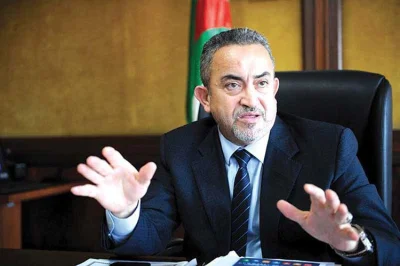
Former Minister Arezki Berraki Faces Trial July 14 Over DZD6B Corruption Scandal
Algiers- The Economic and Financial Criminal Division Court of Sidi M’Hamed has set July 14 as the date for the trial of former Minister of Water Resources Arezki Berraki, along with the former Director General of the National Agency of Dams “M.M” his successor at the same agency “B.C.O”, and other defendants. The case involves serious corruption allegations related to the project to reinforce the Majez El-Bgar Dam in Guelma, eastern Algeria, which allegedly cost the public treasury nearly DZD 6 billion. The postponement was granted at the request of the defense lawyers to allow them more time to review the case file. After the detained defendants, led by Arezki Berraki, as well as those who were not in custody, entered the courtroom, the judge began calling the names of the defendants, witnesses, and civil parties involved in the case. The court then announced that the trial would be postponed until July 14. Former Minister Arezki Berraki and the other defendants are facing serious charges, including the misdemeanor offense of exploiting actual or presumed influence within a public administration or authority to obtain undue benefits; the intentional misuse of public office to carry out actions that violate laws and regulations in order to grant unjustified advantages to others; misappropriation of public funds; and granting unjustified privileges to others during the conclusion of a contract or public procurement agreement with the state or one of its institutions in violation of legal and regulatory provisions. These charges fall under Articles 26, 29, 32, 33, and 48 of Algeria’s Law on the Prevention and Combating of Corruption. The owner of the private company that benefited from the Majez El-Bgar Dam reinforcement project in Guelma, identified as “R.H,” is also facing charges. These include inciting public officials to abuse their actual or presumed influence in order to obtain an undue advantage, benefiting from unjustified privileges during the awarding of a contract or public procurement deal with the state or one of its affiliated institutions, participating in the misappropriation of public funds, and money laundering. The case was investigated by the Regional Judicial Investigation Department in Algiers, which uncovered alleged corruption within the National Agency of Dams and Transfers. According to the investigation, the agency was vulnerable to practices involving the misuse of public funds in previous years, including the allegedly suspicious awarding of a contract to a private company owned by “R.H” for the Majez El-Bgar Dam reinforcement project, intended for agricultural irrigation in the municipality of Ain Makhlouf, Guelma. The original value of the contract was estimated at around DZD 1.3 billion. However, according to the security authorities’ investigation, the project’s cost later nearly quadrupled, exceeding DZD 5.8 billion. This increase was allegedly caused by the signing of additional contract amendments whose value surpassed the original contract amount. These amendments had reportedly not been agreed upon between the National Agency of Dams and the company benefiting from the project. The investigation identified three such amendments, with the project reportedly being changed from merely reinforcing the dam to increasing its height. The second amendment alone cost more than DZD 2.3 billion, while the third exceeded DZD 750 million, along with other alleged irregularities, resulting in losses to the public treasury of more than DZD 5.8 billion. The case comes as part of Algeria’s ongoing efforts to combat corruption and strengthen accountability in the management of public funds. In recent years, Algerian authorities have pursued several high-profile corruption investigations involving former officials, public institutions, and business figures, focusing on allegations of abuse of power, misuse of state resources, and irregularities in public contracts. Algeria has also strengthened its legal framework to fight corruption, including through the enforcement of its anti-corruption legislation, which criminalizes offenses such as bribery, influence peddling, embezzlement, and the granting of unjustified advantages in public procurement. Authorities have emphasized improving transparency and protecting public resources.

Transformer votre vieux PC en serveur multimédia : plus facile qu’il n’y paraît
Chargez simplement vos fichiers média 100 % légalement sourcés et lancez-vous ! Alexmillos/Getty Images If you’ve got an old laptop or desktop PC lying around and collecting dust, especially if it’s fewer than ten years old, you can easily breathe new life into it by turning it into a media server. The process is far easier than you may assume. In the span of an afternoon, you can have your own, private Netflix or Spotify alternative that lets you stream your media files to nearly any device in your home. Nearly any PC can run media server software like Plex or Jellyfin, and even low-end hardware will only miss out on a slim number of features. Moreover, media servers are approachable to both beginners and advanced users. If you’re not very technically inclined, you can put Plex on your Windows laptop and call it a day, whereas tech enthusiasts can tinker with specialized Linux distros and Jellyfin servers, or tweak network architecture to optimize every last inch of a media server setup. While the specifics of media server setup can be somewhat involved, they’re certainly not beyond the capabilities of anyone who can click through setup menus and do some light web searching. If you’re still not sure, here are the basic things you’ll need to worry about when turning a PC into a media server. Windows can run a server, but Linux is more lightweight Max Miller for Engadget The first choice you’ll need to make when setting your old PC up as a media server is whether to run Windows — which is most likely the operating system it came with — or to convert it over to Linux. The good news is, there’s not really a wrong choice, regardless of what people online may insist. Linux is far easier to use than is commonly assumed, but there’s nothing wrong with sticking to the familiar territory of Windows. The most popular media server software runs on either OS, with the main difference being that Linux is more lightweight and can help breathe new life into older hardware. Speaking of older hardware, the primary argument for using Linux is that Windows 10 is past its end-of-service date, meaning any computer which cannot be upgraded to Windows 11 is now a major security risk when connected to the internet. If your computer does not support Windows 11, consider running a Linux distro instead. Some versions of Linux are built to host servers, and will help turn your computer into a personal Netflix or Spotify. If you’d like to play around with different media server solutions, a general-purpose server distro like Fedora Server or Ubuntu Server will let you play around with a broad range of options. There are more versions of Linux than you can shake a TV remote at and even more opinions about which is the best, so the best advice is to explore them with your personal needs in mind. If you choose to keep Windows 11, it’s best to reset it before going any further. Back up any data you don’t want to lose onto an external SSD or hard drive, then press Win + I to open Settings and head to System > Recovery > Reset PC, following subsequent prompts until the OS resets. This will take a while, up to several hours on low-powered hardware. Plex or Jellyfin will get you streaming media in no time Once you’ve got your clean and shiny operating system ready to go, it’s time to load the computer up with media and start streaming it to your household. Depending on the size of your media collection, you’ll need quite a bit of storage. While you can serve media from the PC’s boot drive, you risk losing all of your files if anything goes wrong. Many home server enthusiasts prefer to use multiple storage drives and redundant solutions like RAID. This takes a bit of setup and gives you less usable storage space overall, but gives you peace of mind in the event of a drive failure or other emergency. All that’s left to do is choose your media server software, with the two most popular choices being Plex and Jellyfin. Plex is the easiest to set up, and you’ll rarely have to touch it again after an initial configuration. However, its advanced features are locked behind a steep subscription. Jellyfin is a free and open-source alternative, meaning you’ll never pay to use it and you’ll have more control over how everything works. On the other hand, you’ll need to be a bit more comfortable tinkering with your server and network. Both options offer clients (the app you’ll need to stream media from your server) for most major TV platforms, as well as iOS and Android mobile apps. Media transcoding is the best example of the differences between the two. When a media file is incompatible with one of your devices, both Plex and Jellyfin can use a GPU to transcode it for universal playback. (Although pretty much any PC can run a media server, you will need a dedicated GPU for the best results with transcoding, as CPU-bound transcoding can be slow or glitchy.) Plex makes this process automatic but keeps transcoding CPU-bound, with no hardware acceleration able to take place on your GPU unless you pay for the Plex Pass subscription. Jellyfin gives you both types of transcoding for free, but you’ll need to spend a couple of minutes setting it up. But don’t worry, Jellyfin doesn’t get particularly complex unless you plan to stream media remotely, in which case you’ll need to use other software to create a secure tunnel so that you can point it to the internet without getting blasted by malware. Emby is another popular Plex alternative worth looking into. It sits somewhere between Plex and Jellyfin in terms of ease of use (Jellyfin is actually based on an older open-source version of the software), but has a similar pricing structure to Plex that puts features like hardware transcoding behind a paywall. There’s no « right » choice to make, and all of the options will offer you a taste of what they can do for free.
Safeguarding the Stakes : Crucial Player Protection Systems in Modern Betting Platforms
In the contemporary landscape of digital entertainment, robust security frameworks operate as an essential counterpart to interactive amusement. As virtual wagering platforms experience unprecedented growth, the implementation of comprehensive player safety nets has evolved into a primary benchmark of operational legitimacy. Premier digital hubs prioritize user welfare by equipping participants with defensive utilities designed to preemptively mitigate compulsive behaviors. By seamlessly weaving these protective safeguards into the consumer experience, responsible networks successfully harmonize high-quality entertainment with risk management, drawing a clear line between transparent market leaders and bad actors. Key Takeaways Financial Cap Enforcement: Trusted hubs must feature integrated settings to regulate incoming deposits and net deficits, strictly preventing runaway spending. Time Management Integration: Programmed reality checks periodically pause active gameplay to remind individuals of their overall time commitment. Comprehensive Self-Exclusion: Robust account locking mechanisms act as an indispensable last line of defense for individuals requiring an extended break from wagering. Underage Prevention: Strict, immediate age verification procedures keep minor populations entirely isolated from real-money betting mechanics. Proactive Account Control Mechanisms Sophisticated self-management dashboards such as those readily visible on UFABET Main Website ( ufabet เว็บหลัก ) provide the consumer with the power to both set and actively enforce personal usage thresholds, while best-in-class operators keep these dashboards instantly accessible at any point during play, making operational restrictions available with no “red tape.” Self-set limits initiated from a place of tranquility discourage emotional trading.. These automated guardrails function as objective, pre-programmed regulators of individual behavior. Flexible Deposit Ceiling Options Daily Financial Caps: Restrict the cumulative volume of external capital an individual can transfer into their wallet within any single twenty-four-hour window. Weekly Allocation Limits: Offer a broader structural view of personal expenditures, designed to curb impulsive funding choices during consecutive weekend sessions. Monthly Budgeting Parameters: Help individuals integrate their recreational gaming spending smoothly into their broader household financial planning. Automated Loss Restriction Boundaries Establishing definitive ceilings on net losses serves as a foundational pillar of any secure gaming ecosystem. The underlying software automatically suspends all active wagering options the moment a participant reaches their pre-configured deficit threshold within a designated timeframe. This structural intervention actively disrupts the hazardous impulse to chase mounting losses, shielding players from unexpected financial strain. This removes psychological risk, ensuring automated stop losses are powerful means of behavioral management. To top off this security layer, trusted partners have mandatory cooling-off periods for requests to raise any limits. Session Duration Notification Reminders Periodic Intermittent Pop-ups: Alert active participants to the exact duration of their continuous presence within active rooms. Mandatory Reality Checks: Temporarily freeze the interface, requiring explicit manual confirmation from the user before allowing further participation in ongoing activities. Real-Time Financial Overviews: Display explicit, transparent summaries of net hourly wins or losses directly on the primary display during active sessions. Voluntary Self-Exclusion Programs If default account limits do not sufficiently alter behavior, then a system for the establishment of definitive self-exclusion paths must be included within operational ethical structures. This high-tier intervention enables individuals to temporarily or permanently suspend account access for durations spanning from several months to multiple consecutive years. Throughout this voluntary restriction period, the hosting operator enforces an unyielding ban on profile reactivation and actively blocks attempts to register duplicate credentials. Simultaneously, the platform’s backend infrastructure immediately halts all outbound marketing campaigns and promotional distributions to completely eliminate external temptation. This comprehensive operational disconnect provides vulnerable individuals with the isolated environment necessary to achieve authentic recovery. Access Cooling Off Mechanisms Short-Term Micro-Breaks: Empower users to instantly lock their profiles and step away from the interface for brief periods lasting a few days. Reversal Disabling Blocks: Prevent individuals from impulsively canceling pending financial withdrawals during moments of heightened emotional vulnerability. Permanent Account Termination: Ensure the total, irreversible removal of all personal data from the active database upon explicit user request. Essential Safety Feature Metrics A balanced analysis of traditional safety mechanisms illustrates how distinct protective layers safeguard consumers across various milestones of their digital journey. Safety Control Feature Operational Objective Primary User Benefit Target Audience Deposit Ceilings Restricts incoming financial capital Prevents overspending beyond personal means All active participants Loss Restrictions Halts wagering after hitting a deficit Stops the impulse to chase consecutive losses Recreational and high-risk players Reality Checks Interrupts continuous gameplay sessions Breaks immersion to restore logical thinking Extended session enthusiasts Self Exclusion Imposes total account suspension Provides a complete barrier against platform access Individuals facing compulsive habits Advanced Age Verification Protocols A reliable digital platform implements stringent identity verification processes to ensure no access for underage players to real money gambling platforms. Such multistep verification processes require new users to provide official government-issued IDs before engaging in real money transactions or gaming. The verification process software automatically verifies such documentation to detect forgery, discrepancy, or minor status. The stringent approach to identity verification keeps the gaming community safe from any breach by keeping the entire community away from underage users. Professional Support Network Integration Direct Access Portals: Give direct access to an independent network of certified non-profit counselors from the main interface. Tailored Player Staff Training: Provides your front-facing support team with the training needed to identify at-risk behavior. Anonymous Diagnostic Questionnaire: Allows the player to assess and manage their own usage with private in-game questionnaires. Secure Future Framework Core to the business case of premier, player-first digital gaming operations is the well-being of the user in the long run, rather than immediate profits. The utilization of deep-layering and reinforcing security systems allows for leisure play to remain exactly that – an entertaining game and not a taxing emotional/monetary chore. This dedication of ultimate operation visibility, data collection transparency and clear exit mechanisms build an industry-wide environment of shared reverence between the players and operators alike. The continual innovation of player security systems for our market will guarantee sustainable business for the foreseeable future and if you are interested in experiencing the highest player-security systems, look to the UFABET official website access ( ufabet เว็บหลัก ทางเข้า ) . Frequently Asked Questions Does an online betting site have the authority to terminate a self-exclusion period early? No, established self-exclusion terms are legally and ethically absolute on legitimate platforms. Once an individual initiates an account ban, the hosting platform will refuse to reopen that profile under any circumstances until the predefined duration has fully expired. What distinguishes a loss restriction from a traditional deposit cap? Deposit ceilings restrict the volume of external financial capital an individual can transfer from a bank account into their digital wallet. In contrast, loss restrictions govern the net amount of capital a player is permitted to lose on active wagers before the system automatically restricts further gameplay. Are my official personal identification documents secure during the identity verification phase? Licensed and verified betting platforms utilize enterprise-grade data encryption protocols to safeguard all submitted user files. These screening procedures are strictly required by global regulatory bodies to preserve a secure environment and counter identity theft and financial fraud.